Author: Suraj Das

  • IPL 2025 Final: Epic RCB vs PBKS Clash for Maiden Glory

    IPL 2025 Final: Epic RCB vs PBKS Clash for Maiden Glory

    The IPL 2025 final became one of the most exciting and emotionally charged matches in the history of the Indian Premier League. The last face-off between Royal Challengers Bangalore (RCB) and Punjab Kings (PBK), held at the prestigious Narendra Modi Stadium in Ahmedabad, was not just a game-this was a fight for heritage, redemption and glory. Neither team had won the first title, causing the stakes to raise unimaginably.

    In this broader blog, we need to know about the final of IPL 2025 final, from the team’s journey, what is the final meaning for the future of the team, major data, turning points, fan reactions and both franchisees.

    The Road to the IPL 2025 Final

    Royal Challengers Bengaluru (RCB)

    RCB, led by Ever-Futile FAF du Plessis, was a team that was both consistent and strategic. With the impressive performance of Glenn Maxwell, Mohammad Sirj and young sensation Rajat Patidar, with players like Virat Kohli, RCB managed to keep his speed stable throughout the season.

    He finished second at the table and the finals came in the final after a concrete victory in the Qualifier 1 against Rajasthan Royals. Hunger was visible, the passion was undisputed, and the mission was simple – to broadcast the IPL Trophy for Bangalore for the first time.

    Punjab Kings (PBKS)

    The PBKS, which was often dubbed to the IPL underwriters, wrote a story of flexibility in 2025. Under the leadership of Shikhar Dhawan, he had a strong mixture of youth and experience. PBK emerged as dark horses, PBKs in major matches with Johnny Bairstow, Liam Livingstone, Arshdeep Singh and Rahul Char.

    Despite finishing third, he defeated Mumbai Indians in Eliminator and then won a surprising victory against Rajasthan Royals in Qualifier 2. His entry into the IPL 2025 final was not a flower – it was earned.

    The Build-Up: Hype Before the Epic Clash

    The cricket world was Abuz in the days going to the IPL 2025 final. Fans were divided, famous celebrities supported their teams, and were filled with social media predictions. The fact is that both teams never won the IPL title, which involves emotional weight and curiosity in the competition.

    A sea of ​​red and gold was seen at the stadium in Ahmedabad, as fans from both cities testified what a great match would be in IPL history.

    Toss and Team Strategies

    Shikhar Dhawan won the toss and chose to bat first citing pressure to chase in a final. The pitch looked flat and perfect for batting under the light. Both teams went with unchanged XIS, clinging to combinations that served them well in the playoffs.

    XI playing PBKS: Shikhar Dhawan (C), Johnny Bairstow, Prabhasimran Singh, Liam Livingstone, Jitesh Sharma, Sam Curan, Harpreet Brar, Rahul Char, Kagiso Rabda, Arshdeep Singh, Rishi Dhawan

    RCB Playing XI: FAF Du Plessis (C), Virat Kohli, Silver Patidar, Glenn Maxwell, Dinesh Karthik, Cameron Green, Karn Sharma, Mohammad Sirj, Yash Dayal, Rece Topley, Mahipal Lomoror

    First Innings: PBKS Set a Competitive Total

    PBK landed for a stable start with Shikhar Dhawan and a cautious opening partnership with Bairstow. Kohli’s sharp fielding and Siraj’s disciplined bowling ensured that there was no free.

    However, it was Liam Livingstone that ignited the innings with a Quickfire 60 off 32 balls. His aggressive approach replaced the tide, especially in mid -overs, punishing RCB spinners.

    PBK posted a strong total of 178/6 in 20 overs, a pressure score in a pressure final. Livingstone was the top scorer, while Siraj and Karn Sharma took two wickets.

    Read More…

    Second Innings: RCB Chase with Nerves of Steel

    RCB’s chase began with fireworks from Kohli and FAF du Plessis. Kohli, in particular, determined and in the highest touch, scoring a fluent 70 off 45 balls. The platform was set, but some quick wickets in the middle overs brought PBK back to the game.

    RCB needed 35 runs in the last 3 overs, it was Glenn Maxwell and Dinesh Karthik, who showed steel veins. The match ended under the peace of Maxwell’s courageous reverse sweep and Karthik.

    RCB scored the title with 3 balls, which ended at 179/5. Players, fans and emotions from the city of Bangalore were heartbreaking. 

    Key Moments of the IPL 2025 Final

    • Livingstone’s power surge – His 60 replaced PBK’s innings tempo.
    • Kohli’s best knock – Vintage Kohli chased RCB with flow.
    • Siraj’s early magic – he quickly removed Dhawan, setting the tone.
    • A partnership formed on Maxwell– Cartic Finish-Pariplata and confidence.

    Records Broken in IPL 2025 Final

    • RCB became the first team to win their first title after 16 season.
    • Virat Kohli scored the most runs in the IPL final (more than 300 runs).
    • Liam Livingstone hit the most sixes in a single IPL final (9).
    • The IPL 2025 final became the most watched match with record streaming and TV viewership in IPL history.

    Post-Match Reactions

    Faf du Plessis

    “This title is for every RCB fan who has been waiting for 16 years. We always believed.”

    Virat Kohli

    “It’s emotional. We’ve been so close so many times. This one is for the fans, the franchise, and every RCB player who came before us.”

    Shikhar Dhawan

    “We fought hard. Proud of the boys. We’ll come back stronger next season.”

    Social Media Buzz

    • #RCBchampion trended worldwide within minutes.
    • Mem, emotional fan videos, and were dumped in tribute.
    • Celebrities from all over India congratulated RCB, including Deepika Padukone, Ranveer Singh and even former players like AB de Villiers and Chris Gayle.

    What This Final Means for RCB

    The IPL 2025 final will go down as a turning point in the history of RCB. This victory will change his story forever, from having “almost and there” to becoming champions in the end.

    It also strengthened Kohli’s legacy. Although he was not the captain, his influence, for example, and frequent performances were important for the glory on RCB’s road.

    What Lies Ahead for PBKS

    Despite being heartbreaking, the IPL 2025 Final was filled with promise from PBK . The young players gained priceless experience, and the team looked more balanced than ever.

    With some turns in leadership and team combinations, PBK can easily be strong contenders in IPL 2026.

    Lessons From the IPL 2025 Final

    1. Patience pays: RCB showed the importance of building a core over years.
    2. Team on individuals: Both teams trusted collective performance.
    3. Experience in final cases: Senior RCB players handled pressure better.
    4. Momentum is important: Both finalists had a lot of finish on the league stage.

    Fan Anticipation and Ticket Frenzy

    As soon as the IPL 2025 final, fans in India and abroad scrambled for tickets. The world’s largest cricket ground Narendra Modi Stadium, with a capacity of over 132,000, was expected to be sold – and it was. More than 2 million people were waiting in a few minutes of release in digital queues for ticket sales.

    RCB’s fanbase, known as the most loyal and emotional in the IPL, arrived in large numbers from Karnataka and neighboring states. On the other hand, PBKS supporters, who waited for a serious title run for more than a decade, came out in the draw, bringing Bhangra Beats, colored flags and unmatched energy with them.

    There was red and gold on the streets of Ahmedabad as fans from both sides created an atmosphere like a carnival. The mantra of “EE Sala Cup Namde” echoed with “Sadda Punjab”, who only represented more than slogans – he was a cultural moment born from the years of Hope and Heartbreak.

    Pre-Match Ceremonies and Celeb Glitz

    The IPL 2025 final was not just a cricket match – it was a spectacle. Pre-match celebrations were performed by the Global Music Icon Diljit Dosanjh, Bollywood star Creti Sanon and an aerial drone light show, which showed the IPL journey over the years.

    Former IPL champions like MS Dhoni, Rohit Sharma, and AB de Villiers were seen in the VIP box, while current and former BCCI officials shared indifferent moments about the development of the tournament.

    Special messages from cricket legends like Prime Minister Narendra Modi and Sachin Tendulkar highlighted the importance of the IPL 2025 final in India’s sports culture.

    Tactical Breakdown: How RCB Outplayed PBKS

    While the scoreboard could show a narrow finish, RCB’s strategic discipline made a big difference in the IPL 2025 finals. Let’s break it:

    Powerplay Control

    RCB focused on limiting PBK in Powerplay and staging the offside field by bowling tight lines. Siraj and Topley made scoring difficult for openers Dhawan and Barresto, which led to the delivery of back and forth.

    Powerplay ended with PBKS at 39/1 – a psychological win to Bengaluru. RCB maintained control in early stages, an important element in the larger finals.

    Spin Strangle in the Middle Overs

    RCB’s Carn Sharma and Mahilal Lomar used another masterstroke in the tendon. He scored from 8 to 12 overs, forcing PBK to take risky shots, causing wickets. The phase withdrew the match after Livingstone’s aggressive start to RCB.

    Kohli’s Anchor Role

    In chasing, the roles of the anchor are often reduced. Kohli was not 70 out of 70 for 45 runs, but was invaluable. They ensured that there are no moments of terror, rotated the strike from the master, and absorbed pressure from PBKS pacers such as Rabada and Curan.

    Calculated Finish

    Instead of quickly leaving, the RCB’s lower order waited to launch its retaliation by the 18th over. Glenn Maxwell, known for unexpectedness, stuck to target the leg side, while Dinesh Karthik focused on scooping and driving through gaps. His quiet approach proved to be important.

    PBKS: What Went Wrong?

    Despite the run of his outstanding tournament, the PBK IPL 2025 final barrier in the final. Let’s find out the reasons:

    Lack of Bowling Variations

    Arshdeep Singh and Kagiso Rabada were included in the death overs. With Maxwell and Karthik batting, PBK could try more off-pace delivery or even bring in a stunning spinner for an over.

    Overdependence on Livingstone

    In addition to Livingstone, PBK did not have a middle order fire. Jitesh Sharma’s early dismissal and lack of contribution to Prabhasimran Singh and Sam Curran hurt his pace. Like the IPL 2025 final, in high-hand matches, teams require at least 4-5 batsmen.

    Captaincy Decisions

    Shikhar Dhawan’s decision not to bowl Harpreet Brar in 15–19. Brar took significant wickets throughout the season, and his left hand spin could combat RCB’s right hand.

    RCB’s Long Wait Finally Ends

    RCB’s victory in the IPL 2025 final was more than just one trophy-it was the release of bottled feelings, frustrations and years near Mrs. The team made it to the three finals before 2025 in 2009, 2011 and 2016 – but failed to cross the finish line. Every time, fans stood by him.

    Over the years, legends like Rahul Dravid, Jacques Kallis, AB de Villiers, Chris Gayle, and Daniel Vetori wore RCB jerseys proudly, but never tasted the IPL glory. The IPL 2025 final was RCB’s redemption for all those lost opportunities.

    Kohli and RCB: A Love Story Like No Other

    Virat Kohli has been with RCB since the establishment of IPL in 2008. His loyalty towards the franchise has been often questioned due to lack of trophies. But he always believed.

     In the IPL 2025 final, Kohli did not only perform – he symbolized what stood for the team: faith, patience, and unbreakable dedication. Kohli’s image will be distinguished in the IPL folk song, which raises the trophy with tears in his eyes.

    Global Reactions to the IPL 2025 Final

    The IPL 2025 final was not only a national program, but also a global cricketing spectacle.

    • ICC President Greg Barkley tweeted: “What is unprecedented for a magnificent season. Congratulations to RCB. The IPL continues to set a global benchmark.”
    • Michael Vaughan called it “the most emotional final since the first edition in 2008”.
    • Wasim Akram praised Virat Kohli as “one of the greatest IPL players ever”.

    Cricket fans in the UK, Australia and UAE joined the worldwide match on social media platforms.

    Media Coverage and Commentary Highlights

    In the IPL 2025 final, there was a record engagement on platforms.

    • Star Sports and Geocenema reported a total of 1.1 billion minutes.
    • Commentary teams in English, Hindi, Kannada and Punjabi brought fans close to action.
    • Harsha Bhogle’s line, “Sixteen -year -old heart broke, washed in 3 balls,” immediately became distinguished.

    IPL 2026: What to Expect Post IPL 2025 Final

    The result of IPL 2025 final sets tone for a dramatic next season:

    • RCB will try to protect its crown with confidence.
    • PBKs will be re -organized and possibly change their leadership group.
    • Other franchises must have been watching and analyzing what these two teams did in 2025.

    We can focus more on youth, spin bowling options and finisars to follow the blueprint seen in the final this year’s final.

    Final Thoughts

    The IPL 2025 final, gave fans everything they expected – intensity, drama, heart break and ultimate bliss. It was not just about cricket; It was about emotion, loyalty and perseverance. Two teams fought fiercely with a long title drought, but only one was victorious.

    As the dust accumulates on this unforgettable version of the Indian Premier League, RCB fans will cherish this victory for generations, and PBK will return to the drawing board with hope and determination.

    IPL 2025 Final: Key Stats at a Glance

    CategoryRCBPBKS
    Top ScorerVirat Kohli (70)Liam Livingstone (60)
    Best BowlerMohammed Siraj (2/28)Arshdeep Singh (2/34)
    Total Score179/5178/6
    Sixes Hit1012
    Man of the MatchVirat Kohli
    Total Viewership43 million+43 million+
    IPL 2025 Final

    FAQs About the IPL 2025 Final

    Q1. What made the IPL 2025 Final between RCB and PBKS historic?

    The IPL 2025 Final was historic because it featured two franchises—Royal Challengers Bangalore (RCB) and Punjab Kings (PBKS)—who had never won an IPL title before. The emotional significance, the massive fan buildup, and the closely contested match made it one of the most unforgettable finals in IPL history.


    Q2. Who won the IPL 2025 Final?

    Royal Challengers Bangalore (RCB) emerged victorious in the IPL 2025 Final, chasing down PBKS’s score of 178/6 with 3 balls to spare. This marked RCB’s first-ever IPL title after 16 seasons of heartbreak and near-misses.


    Q3. Where was the IPL 2025 Final held?

    The IPL 2025 Final was held at the Narendra Modi Stadium in Ahmedabad, the world’s largest cricket stadium, with a capacity of over 132,000 spectators. It provided the perfect stage for such an iconic clash.


    Q4. Who was the top performer in the IPL 2025 Final?

    Virat Kohli was the standout performer in the IPL 2025 Final, scoring a crucial 70 runs off 45 balls. His composed innings played a key role in anchoring RCB’s successful run chase and earned him the Man of the Match award.


    Q5. How did PBKS perform in the IPL 2025 Final?

    Punjab Kings (PBKS) put up a strong fight in the IPL 2025 Final, scoring 178/6 with Liam Livingstone smashing a quick 60 off 32 balls. However, their bowling lacked variation in the death overs, which ultimately cost them the title.


    Q6. What records were broken in the IPL 2025 Final?

    Several records were broken during the IPL 2025 Final:

    • RCB won their maiden IPL title after 16 seasons.
    • Virat Kohli became the highest run-scorer in IPL final matches.
    • Liam Livingstone hit 9 sixes, the most in a single IPL final.
    • The final became the most-watched IPL match in history, both on TV and digital platforms.

    Q7. Why is the IPL 2025 Final considered a turning point for RCB?

    The IPL 2025 Final is seen as a turning point for RCB because it ended a 16-year title drought and solidified their legacy in IPL history. It also validated the franchise’s long-term strategy and the leadership of veterans like FAF du Plessis and Virat Kohli.


    Q8. Will PBKS bounce back after the IPL 2025 Final loss?

    Yes, despite the heartbreak in the IPL 2025 Final, PBKS showed immense promise throughout the season. With a young core and experienced campaigners, they are expected to bounce back stronger in IPL 2026, possibly with leadership and tactical changes.


    Q9. How did fans react to the IPL 2025 Final result?

    The IPL 2025 Final sparked an emotional outpouring from fans. RCB supporters celebrated the long-awaited victory with parades and fireworks, while PBKS fans expressed pride in their team’s journey. Social media was flooded with tributes, memes, and congratulatory posts.
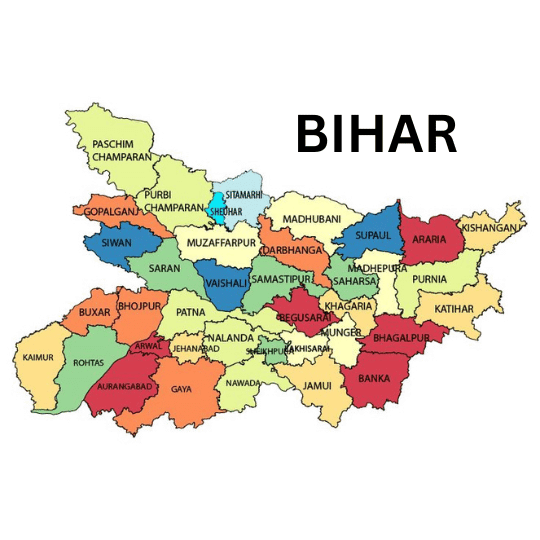
  • Bihar News | Bihar Breaking News | Bihar News 2025

    Bihar News | Bihar Breaking News | Bihar News 2025

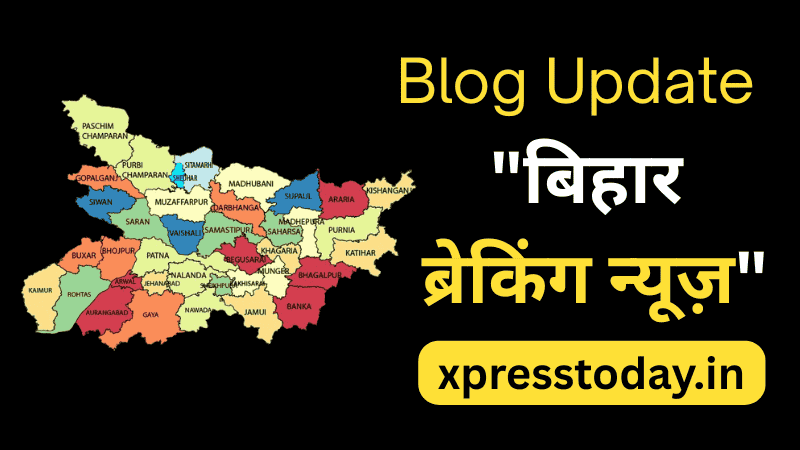
    As we step into a decisive year, Bihar News reflects dynamic changes across the state – clearly, socially and economically. With a sharp development and rapidly conscious population, Bihar Breaking News has become a go-to for real-time updates. From governance reforms to ground movements, stories emerging from Bihar this year are both important and transformative.

    In this broad coverage of News 2025, we detect political highlights, major events, policy reforms, social initiatives and voices shaping the state. Our goal is to bring clarity and depth in the ongoing narratives that define today’s Bihar.

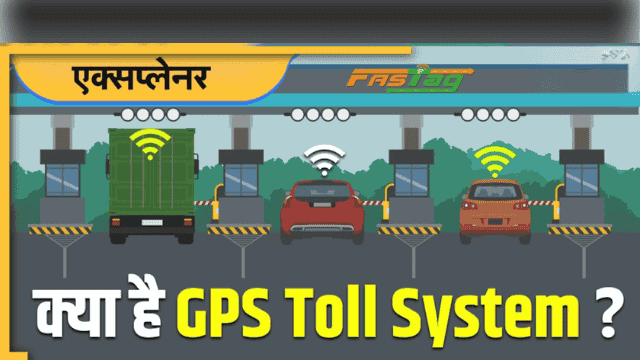
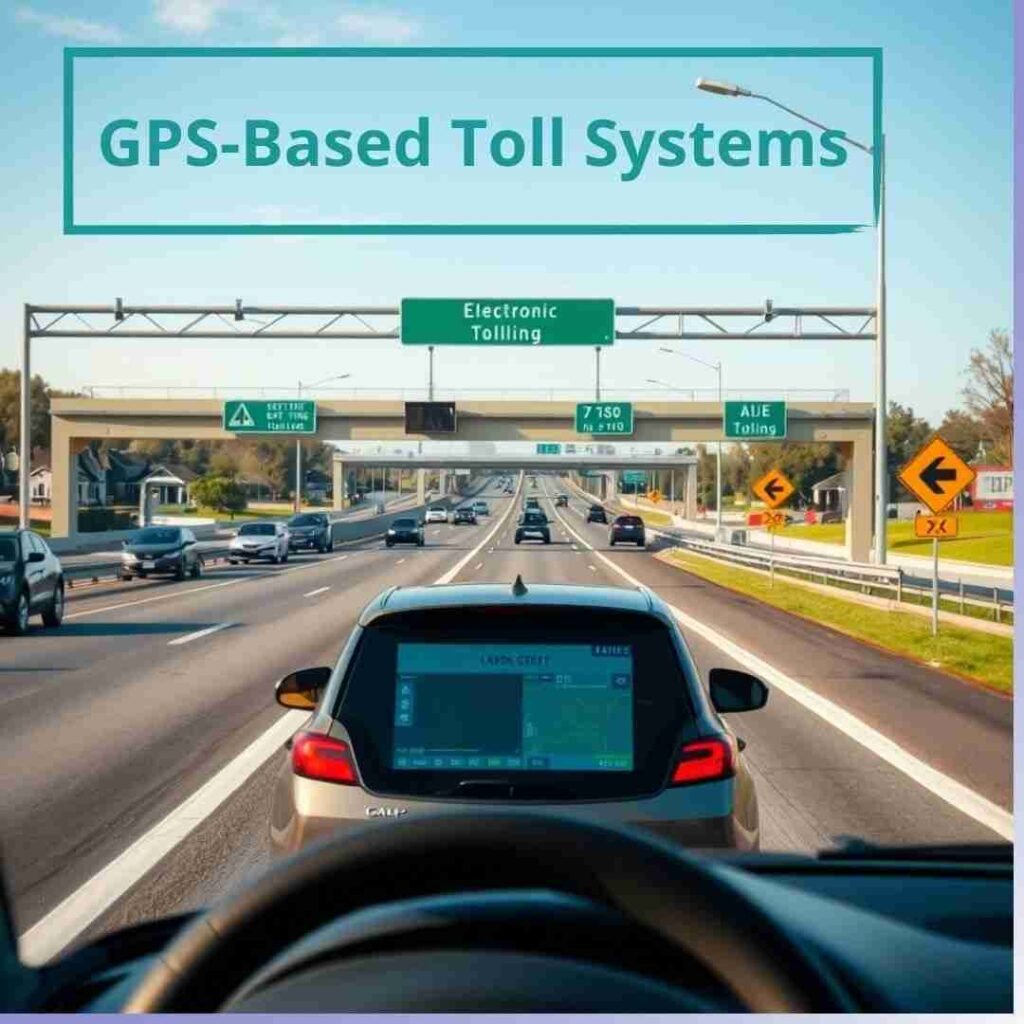
    Read More : GPS Toll Systems: Powerful Benefits in 2025

    Bihar News 2025: Political Landscape and Governance

    In 2025, the political region of Bihar is resonating with activity. Along with transferring elections and public sentiment, News has dominated alliances, rallies and public addresses.

    Key Highlights:

    • The ruling coalition faces challenges from a joint opposition.
    • Youth -led political movements are receiving traction in urban centers.
    • Policy promises include employment generation, caste census implementation and education reform.

    This year’s Bihar breaking news coverage has spotlighted the leaders who are re -receiving political narratives to appeal to both rural and urban population.

    Infrastructure Development: Bihar on the Move

    News 2025 has a rapid infrastructure development in one of the recurring subjects. From roads and bridges to digital infrastructure, the state is progressing.

    Major Projects:

    • The completion of six-lane Patna-Gaya Expressway.
    • Rural electrification reaches 95% of villages.
    • New software parks were launched in Patna and Muzaffarpur.

    Breaking News recently reported the inauguration of a new IT corridor with the aim of promoting employment and connectivity.

    Law and Order: Bihar Breaking Highlights

    Security and justice are core components of any governance model, and Bihar is no exception. Bihar Breaking News continues to bring attention to both progress and setbacks in the law-and-order situation.

    Crime and Prevention:

    • Significant reduction in chain snatching and vehicle thefts in urban areas.
    • Cybercrime units strengthened across 18 districts.
    • Crackdown on land mafia and illegal encroachments.

    Local authorities, featured prominently in Bihar News, have adopted surveillance tech and citizen hotlines to build public trust.

    Education and Youth Engagement

    In 2025, News is with educational milestones and young initiatives. The government has taken progressive steps to ensure better access to quality education.

    Developments:

    • Free digital tablets for class 10 and 12 students in government schools.
    • See record women participation of Bihar Public Service Commission examinations.
    • Skill development centers expanded in all 38 districts.

    This focus on education has become one of the most encouraging trends in Bihar News 2025.

    Economy and Employment: A Rising Narrative

    Economic flexibility is an important thing in Bihar News. The state’s GDP has seen a minor but stable increase with emphasis on subtle and small enterprises.

    Key Data:

    • Agricultural exports from Bihar reached a record level in early 2025.
    • There is a 12% increase in domestic demand in the handloom industry.
    • Startups in Fintech and Healthtech receive traction in tier -2 cities.

    Employment landscape, often depicted in Bihar Breaking News, is slowly moving towards the self-sufficient business model.

    Healthcare Reforms and Public Health

    Public Health News remains a priority in 2025, the state took several initiatives to increase medical reach.

    Notable Reforms:

    • Ayushman Bharat expansion includes free cancer treatment.
    • The new district hospitals are equipped with newborn care units.
    • Mental health awareness runs in schools and colleges.

    These developments are widely covered in both Bihar News and Bihar Breaking News, indicating a change towards inclusive healthcare.

    Environmental Action: Sustainability in Focus

    Climate consciousness is gradually making its way in public discourse. News 2025 is rapid of environmental policies and grassroots efforts.

    Green Moves:

    • The Ganges clean-up projects reach phase 4 implementation.
    • Tree plantation drives achieve 80% annual goals.
    • Solar panels are installed in 5,000+ schools and panchayat offices.

    These continuous efforts have earned praise and have been prominently depicted in Bihar Breaking News updates.

    Culture and Heritage: The Soul of Bihar

    Amidst all progress, news does not ignore the cultural prosperity that defines the state. From Mithila paintings to Chhath festival, celebrations have been observed in the year 2025 that unite the community.

    Cultural Highlights:

    • The proposal of UNESCO was presented for the Champaran Satyagrah Site.
    • The International Bhojpuri Film Festival was hosted in Patna.
    • Folk art workshops attract thousands of participants.

    These stories remind the readers that Bihar News 2025 is as much about the tradition as it is about change.

    Disaster Management and Preparedness

    With a history of floods and natural calamities, Bihar is making efforts to build a robust disaster management system.

    Updates:

    • Real-time flood monitoring systems installed in 12 vulnerable districts.
    • Mock drills and awareness campaigns launched in schools.
    • Emergency response teams upgraded with new equipment.

    These stories have frequently appeared in Breaking News, underlining their importance in public safety.

    Technology and Digital Bihar

    Bihar News 2025 is one of the most promising areas that are passing through the state. The emphasis on digital Bihar has gained momentum with government and private sector cooperation to digitize the government and enable digital literacy.

    Key Initiatives:

    • E-governance portals for services such as land records, caste certificates and pension claims.
    • Free Wi-Fi sector in major educational institutions and city sections.
    • Training centers teach coding and software basics to youth in rural areas.

    These steps are not only strengthening the next generation, but also promoting a digital economy. Bihar Breaking News often covers breaking stories of rural youth into technical careers due to new teaching platforms introduced by the state.

    Women Empowerment: Bihar’s Stronger Half

    Bihar News is increasingly focusing on stories that highlight the strengths and aspirations of women across the state. Whether it is in politics, business, education, or public service, 2025 has seen an increase in women participation and recognition.

    Empowerment Indicators:

    • 33% reservation for women in police forces was successfully implemented.
    • Increase in women entrepreneurs, especially in food processing and textile areas.
    • The leadership training program funded by the government for the aspiration of women politicians.

    Bihar Breaking News also reported an inspirational story of a female-laid startup, providing organic agricultural counseling and has reached more than 1,000 farmers in five districts.

    Rural Bihar: Ground Realities and Grassroots Growth

    Bihar News 2025 has made a conscious effort to highlight the rural change. Important areas of agriculture, sanitation, water supply and connectivity focus remain.

    Rural Progress:

    • MNREGA employment opportunities increased by 18% compared to last year.
    • Installed model villages in 12 districts with smart facilities.
    • Solar-driven irrigation systems were widely adopted.

    Breaking news segments from areas such as Araria and Saharsa often show the accounts of villagers for new agricultural techniques and villagers in advance for digital payments.

    Transport and Mobility in Bihar 2025

    Mobility has seen an important jump in Bihar. With the emphasis on new public transport projects and green commuting, Bihar News highlights that the journey is becoming more efficient and durable.

    Infrastructure Gains:

    • Electric buses launched in Patna, Gaya and Bhagalpur.
    • The metro rail project feasibility study was completed for Patna.
    • Cycle tracks offered in university cities and tourist destinations.

    Coverage in Bihar Breaking News suggests that these changes are already affecting time and pollution levels.

    Tourism and Hospitality: Showcasing Bihar Globally

    The government is exploiting Bihar in the rich heritage of Bihar to promote tourism. Bihar News 2025 includes major campaigns to attract both domestic and international visitors.

    Tourism Push:

    • Bodh Gaya International Buddhist Conclave attracted more than 20,000 visitors.
    • River cruise was launched on the Ganges in Patna.
    • Nalanda and Rajgir Circuit revival with better facilities.
    • Breaking News has published success stories by receiving global reviews from local tourism startups and home stage.

    Media and Journalism: Changing Face of Bihar Reporting

    Media is developing rapidly in Bihar. Local journalism is becoming more digital and transparent, as portals like News and Bihar Breaking News play an important role in democracy and awareness.

    Evolution in News:

    • Mobile journalism training for rural journalists.
    • Increase in YouTube and podcast-based local news platforms.
    • Digital literacy campaign for consumers to identify fake news.

    The democratization of the news ensures that every voice is heard, every issue is seen, and every solution is discussed publicly.

    Science and Innovation in Bihar

    Bihar News 2025 is an exciting emerging subject innovation. From agri-tech startups to drone-capable crop management, Bihar is stepping into the era of science-led development.

    Tech in Practice:

    • AI-competent water conservation methods tested in Nalanda.
    • Drone monitoring for crop and soil health evaluation.
    • STEM Labs introduced in 300 government schools.

    The Bihar Breaking News recently depicted students of a village school, who won the National Robotics Competition.

    Social Justice and Caste Equity

    Social reforms in Bihar news remain a main issue. The government and civil society are working towards a more equitable society.

    Progressive Changes:

    • Special scholarship for Dalit and tribal students.
    • Caste-based census close to completion.
    • Anti-discrimination cells are installed in universities.

    Bihar Breaking News has played an important role in bringing visibility to community voices which were earlier marginalized.

    Bihar’s Global Outreach and Investments

    With increasing interest from foreign investors and diaspora, Bihar News 2025 notes how the state is trying to build bridges beyond national borders.

    Investment Highlights:

    • Bihar Diaspora Conclave was hosted in Patna in 2025.
    • FDI in agri-processing up to 9% year-old year.
    • Sister-Mahar agreements signed with municipalities in Japan and Canada.

    The economic diplomacy chased by the state is creating new channels of opportunity.

    Conclusion: The Road Ahead

    As we move deeply in 2025, Bihar news remains an important source of information, accountability and public discourse. With a mixture of developmental optimism and vigilant realism, the state is charting its course through opportunities and challenges.

    From daily updates in Bihar to the long-form report in Bihar News 2025, media plays an essential role in shaping and reflecting people’s voice. Stay connected, be informed, and be connected to everything that makes Bihar a state to look to 2025 and beyond.

    FAQ – Bihar News | Bihar Breaking New | Bihar News 2025

    Q1. What is the best source for reliable Bihar News in 2025?

    The most reliable sources for Bihar News in 2025 include a mix of digital news portals, mobile journalism platforms, and official government apps. Platforms like XpressToday, which provide real-time Bihar Breaking , are gaining traction for their fast updates, especially during elections, disasters, and policy announcements. Additionally, government-run apps and verified social media handles offer direct updates on schemes and reforms.

    Q2. How has Bihar Breaking evolved over recent years?

    Bihar Breaking New has evolved significantly with the integration of digital tools and mobile reporting. In 2025, the focus has shifted from traditional newspapers to app-based alerts, WhatsApp news bots, and YouTube news shows. Live coverage, citizen journalism, and AI-curated content now ensure that Bihar News is timely, accurate, and accessible to everyone—even in rural areas.

    Q3. What are the major political updates covered under News 2025?

    News 2025 has extensively covered the pre-election environment in the state. Key political updates include:

    • Formation of new political alliances
    • Increased participation of youth and women in politics
    • State-wide campaigns focusing on education, employment, and caste-based census

    Breaking New segments have captured massive political rallies, debates on governance, and leadership strategies shaping the state’s democratic future.

    Q4. How is the education sector transforming in Bihar as per News 2025?

    The education sector is a dominant theme in News 2025. Major developments include:

    • Distribution of free digital tablets to students in government schools
    • Expansion of digital classrooms in rural areas
    • Record participation of women in competitive exams

    These reforms are frequently highlighted in Bihar Breaking New, showcasing how the state is investing in its youth for long-term progress.

    Q5. What are the biggest infrastructure projects making headlines in News?

    Several large-scale infrastructure projects have been prominent in Bihar News and Bihar Breaking New:

    • The Patna-Gaya expressway has significantly reduced travel time.
    • New IT parks in Patna and Muzaffarpur are creating job opportunities.
    • Rural electrification and clean drinking water initiatives are nearing 100% coverage.

    Such developments are shaping Bihar’s identity as a fast-modernizing state in 2025.

    Q6. How is Bihar tackling climate change as per Bihar Breaking New?

    According to Bihar Breaking New, the state has adopted various climate initiatives:

    • Massive tree plantation drives
    • Solar panel installations in schools and offices
    • Ganga rejuvenation projects in Phase 4

    Bihar News 2025 also covers citizen-led movements promoting sustainability in agriculture and urban planning.

    Q7. What new features are seen in the healthcare system in Bihar?

    The healthcare system in Bihar News 2025 has shown commendable growth:

    • Free cancer treatment under the Ayushman Bharat scheme
    • State-of-the-art neonatal care units in district hospitals
    • Mental health awareness campaigns across schools and colleges

    Bihar Breaking News frequently reports on these upgrades and their impact on rural and urban populations alike.

    Q8. How are women contributing to Bihar’s growth according to Bihar News?

    Bihar News 2025 proudly highlights the rising influence of women in multiple sectors:

    • 33% reservation for women in police forces
    • Government-funded entrepreneurship programs
    • Female participation in local governance and assembly elections

    Bihar Breaking New featured stories of successful women-led startups and leaders who are changing the state’s gender narrative.

    Q9. Are there any notable stories from rural areas in Bihar Breaking News?

    Absolutely. Bihar Breaking New focuses deeply on grassroots reporting:

    • Farmers adopting solar-powered irrigation
    • Digital training for youth in remote districts
    • Smart village initiatives in over 12 districts

    These stories also receive prime space in Bihar News 2025, underlining the importance of inclusive rural development.

    Q10. How is Bihar’s tourism sector doing in 2025?

    As per Bihar New, the tourism sector is booming:

    • The International Buddhist Conclave brought global visitors to Bodh Gaya.
    • River cruises and heritage walks have been launched in Patna.
    • Renovation of sites like Rajgir and Nalanda is attracting international attention.

    Bihar Breaking New also covered the rise of local homestays and eco-tourism ventures, giving a boost to the hospitality economy.

    Q11. What tech trends are making headlines in Bihar News 2025?

    Technology is a hot topic in Bihar News 2025:

    • Drone surveillance in agriculture
    • AI for water conservation
    • STEM labs in over 300 schools
    • E-governance is also helping streamline public services, while Bihar Breaking New showcases stories of rural youth entering the tech workforce.

    Q12. How is News influencing public opinion and awareness?

    Bihar News and Bihar Breaking News are no longer just information outlets—they’re influencers of public opinion. From exposing corruption to explaining government schemes, local journalism is empowering people with knowledge. Interactive platforms and mobile apps allow citizens to voice opinions, report issues, and seek solutions instantly.

    Q13. What does the future look like for Bihar News?

    The future of Bihar lies in localization and digital expansion. Hyper-local reporting, AI-driven personalization, and multilingual content will ensure deeper penetration and engagement. Meanwhile, Breaking News will continue to play a critical role in connecting people, especially in real-time crisis or event-based reporting.

    Q14. How is Bihar News 2025 covering youth entrepreneurship and innovation?

    Bihar News 2025 has placed strong emphasis on the emerging wave of youth-led entrepreneurship across the state. With increased access to government startup funding, incubation centers, and training in Tier-2 and Tier-3 cities, young entrepreneurs are building solutions in agriculture, fintech, and healthcare. News frequently highlights success stories, including student-led ventures, rural tech initiatives, and women-run agri-businesses. These stories inspire others and reflect Bihar’s transformation into a hub of innovation. From hackathons to rural maker labs, News showcases how the next generation is driving sustainable economic and social change across the state.

    • PM Modi Gujarat Visit: 5 Big Highlights You Must Know

      PM Modi Gujarat Visit: 5 Big Highlights You Must Know

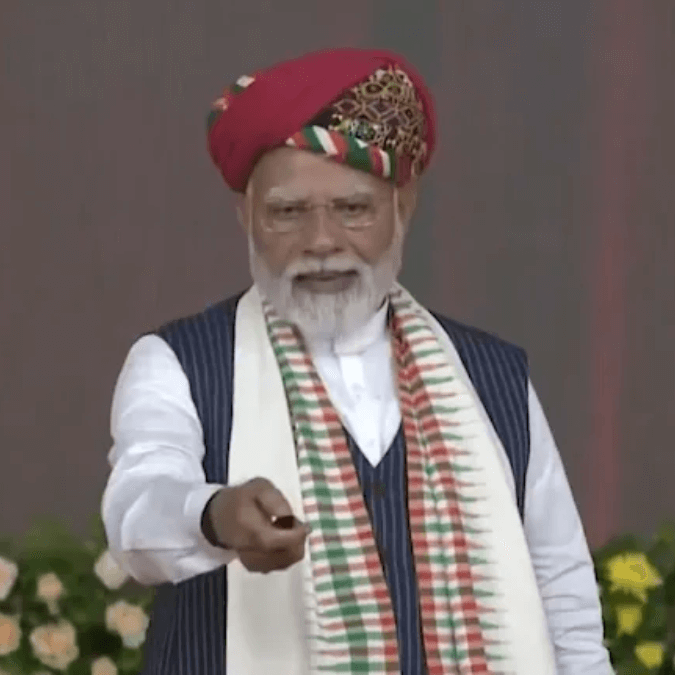
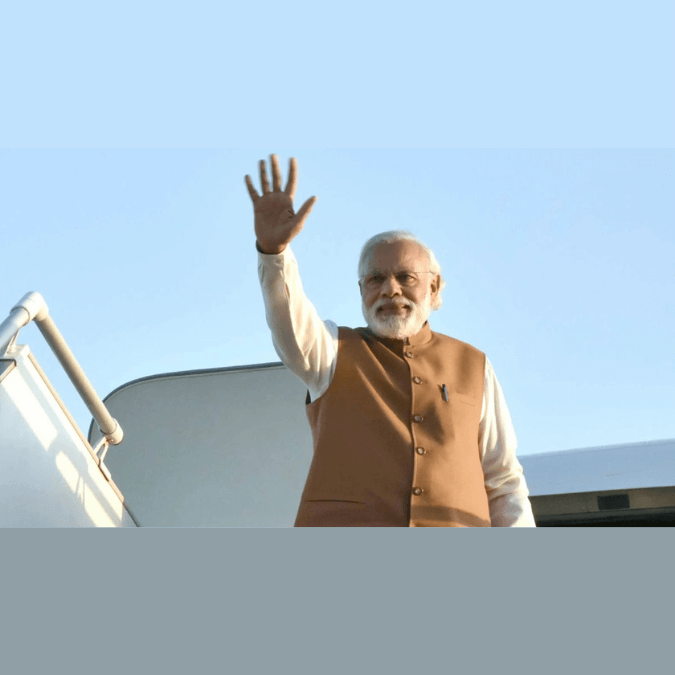
      Prime Minister Narendra Modi’s recent two -day visit to Gujarat made headlines across the country. From the inauguration of large -scale infrastructure to emotional public dialogue, PM Modi Gujarat Visit showed a mixture of development, patriotism and political speed. As his home state welcomed him with great enthusiasm, several major moments stood out, presenting a glimpse of the nation’s priorities and emotional pulse.

      In this blog, we detect the five most important main attractions of PM Modi Gujarat Visit, which touch the influence of his journey to Vadodara, Dahod and other major places. Whether you are following Indian politics, growth in infrastructure, or simply eager about the journey that this journey has been made so unique, this broad breakdown gives you all major details.

      PM Modi Gujarat Visit Begins with Grand Roadshow in Vadodara

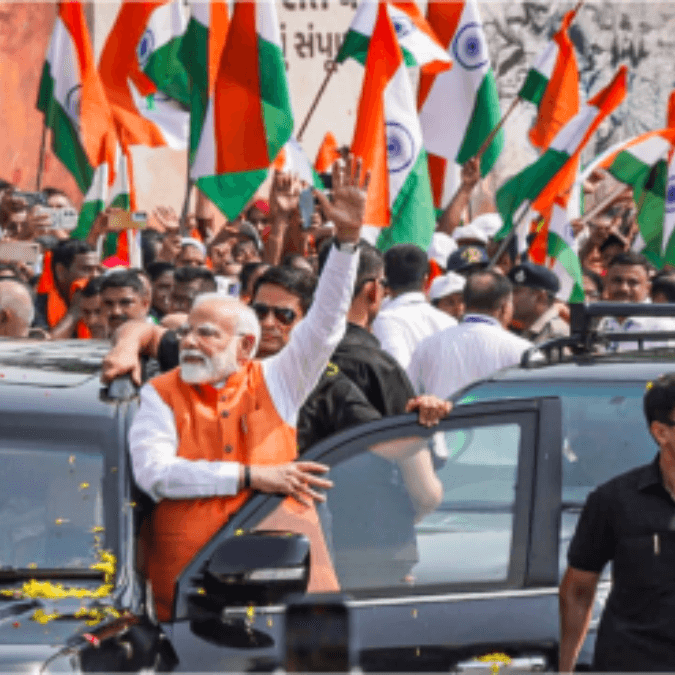
      PM Modi Gujarat Visit began with a thunder in Vadodara. Thousands of people put them on the streets to congratulate the Prime Minister, bathing with flower petals and mantras of “Modi, Modi”. Roadshow was not just a political performance; It was a powerful symbol of public praise and support.

      One of the most talked about moments was when a supporter shaved the image of PM Modi into his hair-an artistic gesture that quickly went viral on social media. Such examples reflected the deep emotional connection that people in Gujarat share with the Prime Minister.

      This roadshow was not just an exhibition of collective popularity; It also set the tone for the development agenda of strategic travel. From cultural performance to the mantra of patriotism, the Vadodara leg of the PM Modi Gujarat Visit was full of energy, color, and public enthusiasm.

      Inauguration of ₹77,400 Crore Development Projects

      A major objective of the PM Modi Gujarat Visit was to inaugurate the foundation for infrastructure and a wide range of public welfare projects. The Prime Minister launched a development initiative of more than 77,400 crores, which was a large -scale investment in the development story of Gujarat.

      Major projects include:

      • Dahod locomotive manufacturing plant: This new inauguration factory will produce electric locomotives, which will greatly boost Indian Railways capacity and reduce dependence on imports.
      • Railways and urban infrastructure projects: Several infrastructure projects were launched from new train services to increasing urban transit systems.
      • Water and irrigation schemes: Due to Gujarat’s stress suffering from water stress, these projects promise to improve water availability and irrigation coverage.
      • Smart City Development: Urban development projects were also inaugurated to improve sanitation, connectivity and stability in many cities and cities.

      This initiative underlines how PM Modi Gujarat Visit was more than formal – it was developmental at its core. Each project is widely attached to the Prime Minister for Vikasat India (developed India) by 2047.

      Emotional Moment with Colonel Sofiya Qureshi Family

      PM Modi Gujarat Visit had a conversation with the family of Operation Sindor, the hero of Operation Sindor, Colonel Sophia Qureshi, who was on a courageous mission to save Indians from a war -torn Sudan.

      As soon as PM Modi’s convoy passed through his house, the family bathed him with rose petals. Later, the Prime Minister met the family and accepted the courage and service of Colonel Sophia. His sister in a hearty message expressed her gratitude to the Prime Minister’s leadership and personal recognition.

      This human relationship hit a raga across the country. This showed that PM Modi Gujarat Visit was not only about mega projects or political optics – it was also about individual gratitude, national pride and identification of unseeded heroes.

       Boost to Make-in-India and Atma Nirbhar Bharat Vision

      The inauguration of the Dahod Locomotive plant as part of the PM Modi Gujarat Visit is a major victory for the Prime Minister’s Make-in-India initiative. This facility is expected to produce 120 electric locomotives annually, generate employment and reduce import burden.

      The plant is part of a large push towards self -sufficiency. By creating a world class locomotive domestic, India can become an export center for high quality rail technology. This facility also aligns with the Prime Minister’s self -reliant India (self -sufficient India) mission, aimed at promoting domestic manufacturing in areas.

      During his speech, the Prime Minister emphasized that Gujarat’s growing industrial landscape is central for India’s economic aspirations. PM Modi Gujarat Visit thus strengthened the role of the state in achieving national self -reliance.

      Political Messaging Ahead of 2025 Elections

      While development was the official agenda, PM Modi Gujarat Visit also carried out clear political undertakings. With the expectation of Lok Sabha elections in 2025, Gujarat is a BJP stronghold and is an important strategic foundation for the party.

      Roadshow, public speech, and emotional conversation with citizens in Vadodara sent a strong message: BJP is strongly linked in public consciousness. PM Modi’s relationship with the people of Gujarat is unheard of, and the journey helped to activate party workers and supporters.

      Political analysts mentioned that PM Modi Gujarat Visit was designed to strengthen the trust, rally public spirit and present governance records built on the performance. The journey has hit its mark, with high-dacoit support, visible public voting and impressive messages.

      Local Reactions and Media Coverage

      Local newspapers and national media covered PM Modi Gujarat Visit on a large scale, both praising the grandeur and economic importance of the launched projects. Many editorials explained how the yatra combined emotional appeal with tangible benefits.

      Social media is also buzzing with reactions. From the video clips of Flower Showers to the drone shots of the Dahod Plant, citizens are actively attached to the main attraction of the journey. #PMMODIGUJARATVISIT was trending on Twitter/X, making it one of the top hashtags of the week.

      Journalists and affected also appreciated the uninterrupted execution of the incidents, highlighting the administrative efficiency behind the curtain.

      The Broader Vision Behind the Visit

      The PM Modi Gujarat Visit was not just a routine political tour—it reflected the long-term roadmap envisioned for India’s future. Here’s what the visit signals in terms of broader vision:

      • Regional Empowerment: By focusing on Dahod, a tribal-dominated region, the visit aims to bring development to often-ignored areas.
      • Industrial Expansion: Gujarat’s industrial backbone is being strengthened to make it a global investment hub.
      • Inclusive Growth: Whether it’s railway modernization or family interactions, the visit touched multiple socio-economic layers.
      • Green Economy: Several projects focused on sustainability, green transport, and renewable energy.

      These elements combined to create a visit that was as strategic as it was symbolic.

      Public Speech Highlights: Quotes from PM Modi

      During the visit, PM Modi delivered several speeches filled with motivational and patriotic messages. Here are a few notable quotes:

      • “Gujarat has always shown the way forward for the nation.”
      • “Every project we inaugurate today is a step toward a developed India.”
      • “I salute our brave soldiers and their families who keep our nation safe.”
      • “This Dahod plant will be a new engine of growth for India’s railways.”

      These statements were not only uplifting but also reflective of the priorities outlined during the PM Modi Gujarat Visit.

      Public Welfare at the Forefront of PM Modi Gujarat Visit

      Another major component of PM Modi Gujarat Visit was the emphasis on public welfare schemes and civil-centered initiatives. PM Modi used his visit not only to launch large -scale infrastructure projects, but also to highlight social welfare efforts affecting the general citizen.

      During his speeches, the Prime Minister emphasized the importance of reaching the last mile in governance. He reiterated that the goal of Vikasat India is incomplete without empowering every part of the society – especially to women, farmers, tribal communities and urban poor.

      The main welfare topics addressed during the journey include:

      1. Women Empowerment

      PM Modi underlined the role of women in the development of Gujarat. He cited the data on how the central schemes like Ujjwala Yojana, Jan Dhan Yojana, and PM Avas Yojana have benefited millions of women across the state. PM Modi Gujarat Visit, he admitted that Gujarat has been a pioneer in encouraging women entrepreneurship and self-help groups.

      In a tribal belt, Dahod, the Prime Minister visited women-laid enterprises and praised her efforts in Microfinance, Cottage Industries and local resource management. He encouraged women to play more and more leadership roles in village rule and small trade innovation.

      2. Tribal Inclusion and Upliftment

      PM Modi Gujarat Visit focused on tribal development. Dahod is a major stop on its journey program, home to an important tribal population. The inauguration of the locomotive manufacturing plant here was not just industrial – it was symbolic of taking development for marginalized communities.

      The Prime Minister assured that tribal youth will be given training and employment opportunities through this project. In addition, several new educational and health related schemes targeting tribal communities were announced.

      These include:

      • Tribal skill development center
      • Mobile health clinics for remote areas
      • Hostel and scholarship for tribal students

      This effort shows Modi’s long -lasting promise, to ensure that “Sabka Saath, Sabka Vikas, Sabka Vishwas.”.

      3. Farmer-Centric Schemes and Irrigation Projects

      Agriculture is still the backbone of rural Gujarat, and PM Modi Gujarat Visit addressed it with new irrigation projects, water harvesting facilities and crop insurance updates.

      PM Modi emphasized the role of water life mission with the aim of providing clean drinking water to every house. New announcements were made about canal extensions, micro-sync systems and modern agricultural equipment subsidies. He reiterated that permanent agricultural farmers are important to double the income of farmers and secure India’s food future.

      PM Modi Gujarat Visit and its Focus on Youth Empowerment

      In his address to the youth of Gujarat, PM Modi focused on innovation, skill development and entrepreneurship. He announced the expansion of Kaushal India centers across the state and talked about the role of Gujarat in the Digital India Revolution.

      Major points include:

      • Startup incubator in Tier -2 cities

      The PM announced the new incubator hub for startups in cities like Surat, Rajkot and Vadodara. These will offer mentorship, seed funding and market access.

      • Digital literacy program in rural schools

      A new partnership with private players was announced to increase digital literacy at school level in rural areas.

      • Extension of AI and Robotics courses

      Technical institutes in Gujarat will now provide advanced courses in emerging technical fields to equip global job skills.

      PM Modi Gujarat Visit made it clear that empowering the youth is the top priority for the central government.

      Clean Energy and Sustainability Initiatives Announced

      A low but important aspect of the visit to PM Modi Gujarat Visit was unveiled by many clean energy and green infrastructure projects. Gujarat has been a leader in solar and wind power, and the Prime Minister confirmed his commitment to make India a global green power.

      During the journey, he launched:

      • Solar power park near Banaskantha with a capacity of 750 MW
      • Green mobility corridor between Ahmedabad and Kevadia
      • E-vehicle charging infrastructure expansion on state highways

      The PM also addressed the concerns of climate change, saying,”Gujarat has the power to lead global changes towards clean energy. Our farmers, entrepreneurs and engineers should now prioritize green options.”

      These announcements PM Modi Gujarat Visit to development – but also about permanent development.

      Boosting Tourism and Heritage in Gujarat

      Tourism also received a special mention during PM Modi Gujarat Visit. The Prime Minister highlighted the projects with the aim of promoting the rich cultural and spiritual heritage of Gujarat.

      He announced:

      • Upgradation for infrastructure in Dwarka, Somnath and Ambaji
      • Eco-tourism area around the statue of unity
      • A new tourist circuit connecting historical cities in North Gujarat

      PM Modi stressed that tourism is not only about revenue, but about national pride, employment generation and preserving Indian identity. He encouraged local communities to develop home, food services and cultural tourism.

      The government plans to invest more than 1,200 crores in the tourism-specific infrastructure over the next two years, which was formally unveiled during the PM Modi Gujarat Visit.

      Conclusion: A Visit That Resonates Beyond Borders

      PM Modi Gujarat Visit was a masterclass in conclusion governance, public outreach, emotional relations and strategic development. New projects, massive public participation, and in major symbolic gestures, with over 77,400 crores, showed how political leadership could connect deeply with citizens, distributing long -term targets.

      PM Modi Gujarat Visit was a masterclass in conclusion governance, public outreach, emotional relations and strategic development. New projects, massive public participation, and in major symbolic gestures, with over 77,400 crores, showed how political leadership could connect deeply with citizens, distributing long -term targets.

      As India is ready for major national and international milestones, the visit confirmed the importance of Gujarat in the development story of India and the unbreakable bond between the Prime Minister and his home state.

      FAQs on PM Modi Gujarat Visit

      1. What was the main purpose of PM Modi Gujarat Visit?

      The main purpose of PM Modi Gujarat Visit was to inaugurate a wide range of infrastructure and public welfare projects totaling ₹77,400 crore. Additionally, the visit focused on strengthening political engagement, promoting the Make-in-India initiative, encouraging youth empowerment, and honoring local heroes. It also served to energize BJP’s base in Gujarat ahead of the 2025 general elections.

      2. Which major cities did PM Modi visit during his Gujarat tour?

      During the PM Modi Gujarat Visit, the Prime Minister traveled to key cities and regions including Vadodara, Dahod, Banaskantha, Rajkot, and tribal areas in Eastern Gujarat. Each location had specific developmental, emotional, or strategic significance tied to the overall objectives of the visit.

      3. What are the biggest projects launched during PM Modi Gujarat Visit?

      Some of the most significant projects launched during the PM Modi Gujarat Visit include:

      • Dahod Locomotive Manufacturing Plant to boost Make-in-India and employment.
      • ₹77,400 crore worth of infrastructure initiatives.
      • Smart city upgrades, irrigation schemes, and water sustainability projects.
      • A 750 MW solar power park in Banaskantha.
      • Expansion of the Ahmedabad–Kevadia green mobility corridor.

      These projects aim to modernize transportation, enhance urban infrastructure, and promote sustainable energy.

      4. How does the PM Modi Gujarat Visit support tribal and rural development?

      The PM Modi Gujarat Visit gave special focus to tribal-dominated areas like Dahod. Several initiatives were unveiled, such as skill development centers for tribal youth, mobile healthcare services, and scholarships for tribal students. By inaugurating the locomotive plant in Dahod, PM Modi symbolically and practically brought industrial development to underserved areas.

      5. What was the emotional highlight of the PM Modi Gujarat Visit?

      A highly emotional moment during the PM Modi Gujarat Visit was PM Modi’s meeting with the family of Colonel Sofiya Qureshi, a hero of Operation Sindoori. The heartfelt interaction symbolized national pride and the Prime Minister’s commitment to recognizing unsung heroes. It reinforced that the visit was about more than just infrastructure—it also honored courage and service.

      6. How does this visit align with the Make-in-India and Atma Nirbhar Bharat missions?

      The PM Modi Gujarat Visit strongly aligned with national campaigns like Make-in-India and Atma Nirbhar Bharat (Self-Reliant India). The launch of the Dahod factory is expected to produce 120 electric locomotives per year, reducing India’s dependence on imports and creating local jobs. It is a critical step towards building indigenous manufacturing capacity.

      7. Was there a political angle to PM Modi Gujarat Visit?

      Yes, the PM Modi Gujarat Visit also had political undertones, especially with the 2025 Lok Sabha elections approaching. Gujarat is a BJP stronghold and the Prime Minister’s home state. The roadshows, public interactions, and speeches helped energize the party’s ground-level workers and showcased the government’s performance to voters.

    • 25% Tariff on Apple: Shocking Hit to India iPhone Plans

      25% Tariff on Apple: Shocking Hit to India iPhone Plans

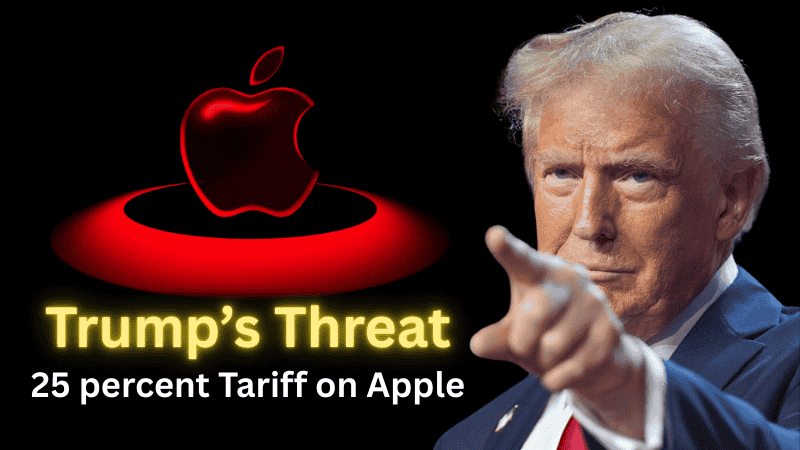
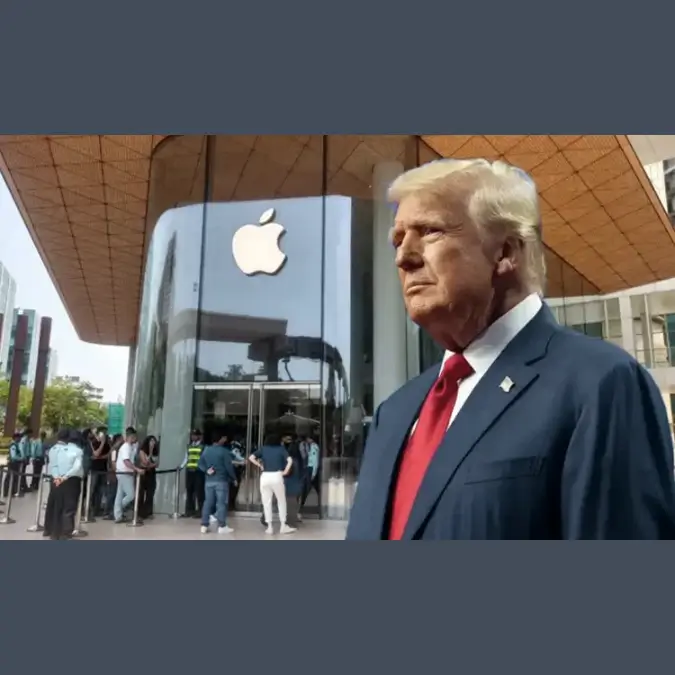
      The global smartphone market is not a stranger to political and economic stress, but the latest announcement about a 25 percent tariff on Apple to sell iphone manufactured by India in the US has sent shockwaves through the industry. This unexpected step announced by former US President Donald Trump, threatens to increase production in India and expand its global supply chain to Apple’s ambitious plans.

      In this blog, we dive into the 25 percent tariff on Apple for the company, its Indian manufacturing strategy, and wide implications for the international trade and smartphone market. Whether you are a technical enthusiast, investor, or eager about the dynamics of global business, this article breaks the situation in simple terms.

      What Is the 25 percent Tariff on Apple About?

      The 25 percent tariff on Apple refers to a proposed import duty that Donald Trump has threatened to impose on iPhones created in India, but has been sold in the United States. Essentially, if Apple selects the option to sell iPhones manufactured in India within the US market, Trump has warned to impose a 25 percent tax on these devices.

      The announcement directly challenges Apple’s recent steps to diversify its supply chain from China and to diversify its supply chain as part of its “Make in India” initiative in India. The tariff effectively punishes Apple for outsourcing outside the US, pushing the company to reconsider where its products are manufactured and sold.

      Why Did Trump Announce This Tariff?

      The origin of this decision lies in Trump’s broad agenda to encourage domestic creation and reduce dependence on foreign manufactured products. During his presidential and constant influence, Trump has often advocated production within American borders to promote local jobs and economic growth for American companies.

      Apple’s step to cut the costs paid on Chinese imports and to ignore tariffs, with a clear indication to prioritize American-made products, to prioritize American-made products, to apply a 25 percent tariff on Apple iPhone India-made , Apple’s India-made iPhones. Tariff aims to discourage companies like Apple from outsourcing jobs and manufacturing in other countries.

      How Does the Tariff Affect Apple’s India Manufacturing Plans?

      Apple’s strategy for the manufacture of iPhones in India is an important part of its global supply chain diversification. The company has invested billions in Indian factories, aims to reduce its dependence on China and complete the rapidly growing Indian smartphone market.

      However, 25 percent tariff on Apple have significantly threatened the scheme. If Apple faces high import taxes when iPhones built in India are sold in the US, the company may lose a significant competitive profit-cost efficiency. Increased tariffs will make the iPhone manufactured more expensive in India in the US, which will potentially reduce sales and profitability.

      Impact on Apple’s Global Supply Chain

      Apple’s supply chain is one of the most complex and skilled in the world. It spreads to several countries with assembly lines in China, India and other parts of Asia. A 25 percent tariff on Apple is a serious challenge for this model to increase the cost and forcing Apple to reconsider its manufacturing footprint.

      Many analysts believe that Apple may seem impractical to transfer back to the US due to high labor costs and lack of existing infrastructure to the US. At the same time, exporting India-made iPhones into the US under the threat of a 25 percent tariff may no longer be viable.

      What Are the Economic Implications?

      25 percent tariff on Apple is not just a corporate issue; Its comprehensive economic results are:

      • For India: Apple’s Indian manufacturing boom is creating jobs and promoting local economies. Tariffs can slow down this development, further discourage foreign investment, and affect India’s ambitions to become a global manufacturing center.
      • For the US market: Consumers may face high iPhone prices if tariffs lead to increase in production costs. It can also limit the availability of cheap iPhone models assembled in India.
      • For global trade: Tariffs can increase tension between the US and India, complicate business relations and potentially increase anti -anti -tariffs or policy changes.

      How Has Apple Responded?

      Apple remains relatively quiet on the direct effect of 25 percent tariff on Apple, but the inner sources in the industry suggest that the company is searching for many options:

      • To transfer over production in countries without tariff hazards.
      • To interact with American policy makers to reduce or exempt iPhones created by India.
      • Focusing on local markets, Apple may prioritize selling India-made iPhones domestic or in areas without duties and obstacles.

      What Does This Mean for Indian Consumers?

      While this tariff mainly targets the US market, it can indirectly affect Indian consumers:

      • If Apple slows India manufacturing due to tariff pressure, employment generation may decline in the region.
      • India’s smartphone market can see the largest, low product launch or limited availability globally if Apple rewrite its India strategy.

      Will This Tariff Affect Other Companies?

      Apple is not the only technical veteran affected by such business policies. Other smartphone manufacturers with diverse production in India or similar countries can also face tariffs or trade restrictions based on American policies.

      The Bigger Picture: US-India Trade Relations

      The 25 percent tariff on Apple also reflects the delicate balance act in the US-India trade relations. India wants to attract foreign investment and increase manufacturing, while the US wants to protect its domestic industries.

      This tariff declaration can carry forward both countries to interact on better trade terms, but it also underlines geopolitical tensions that affect global trade decisions.

      Can Apple Avoid the Tariff?

      There are some ways to reduce the effect of 25 percent tariff on Apple :

      • Increase the US-based assembly: Although expensive and logically challenging, Apple may extend the local assembly in America.
      • Efforts to advocate: Apple can work to secure discounts with American MPs.
      • Alternative Supply Series: Apple may transfer production to other countries that do not trigger tariffs.
      • Pricing strategies: Apple may absorb certain costs or partly pass them to consumers.

      The Historical Context of Tariffs on Technology Products

      Tariffs on technology products are not new. Over the years, the US government has imposed tariffs on various imported electronics to protect domestic industries or as part of trade disputes.

      For example, during the US-China trade war, tariffs were imposed on Chinese-made electronics, which affected companies such as Apple. The 25 percent tariff on Apple fits into this broad historical pattern where tariffs are used as an equipment in business talks or economic policy.

      Difference is now geographical change in production. India has emerged as an important alternative manufacturing center, which has complicated traditional trade dynamics between the US and China.

      Why India Matters for Apple

      India is not only another manufacturing place for Apple; It is a strategic market and production center. With over 1.4 billion people and a growing middle class, India represents one of the largest smartphone markets globally.

      Apple’s investments in India include the construction of local assembly plants and sourcing components. This not only reduces costs, but also helps Apple to follow India’s local sourcing laws, which is capable of selling products at competitive prices in the Indian market.

      However, 25 percent tariff on Apple have threatened to disrupt these efforts by adding new costs and uncertainties to Apple’s global supply chain.

      The Challenge of Producing iPhones in the US

      Apple has seen India (and before China) for manufacturing, cost efficiency. The US has a lot of labor costs, causing large -scale iPhone production to become expensive.

      In addition, the complex supply chain required for the iPhone components – including chip construction, glass production and assembly – are not fully installed in the US, which requires Apple.

      Rebuilding or transferring this entire supply chain to the US to avoid a 25 percent tariff on Apple can be prohibitively expensive and time -consuming.

      What Does This Mean for Apple’s Competitors?

      Competitors like Samsung, Xiaomi and OnePlus are also expanding manufacturing in India and other countries. The US tariff stance can transfer competitive benefits to the smartphone market.

      If Apple withstands high tariffs on India-made iPhones, its competitors can capitalize by keeping production outside the US or focusing on other markets. This can affect Apple’s market share, especially in value-sensitive segments.

      The Consumer Perspective: Will Prices Rise?

      The 25 percent tariff on Apple will probably increase the cost of India-made iPhones imported into the US. Companies often pass tariff costs on consumers through high prices.

      This means that American buyers can see the price growth on some iPhone models, especially gathered in India. While Apple has a premium brand image and loyal customer base, the price growth can affect the decision to buy in a competitive smartphone market.

      The Role of Political Influence in Business Decisions

      The 25 percent tariff on Apple throws light on how deep politics is with business. Companies like Apple should navigate not only the forces of the market, but also political agenda, business policies and diplomatic relations.

      For global corporations, this means adopting changing policies quickly and maintaining flexibility in manufacturing and sales strategies.

      What Could Be the Long-Term Effects?

      In the long run, 25 percent tariff on apple can give rise to many results:

      • A reconsideration of global supply chains, weighing the risks of tariffs with companies more carefully.
      • Pressure increased on governments to interact on tariffs and barriers to reduce business agreements.
      • Potential acceleration of automation and advanced manufacturing technologies in high -cost countries to offset labor costs.

      India’s Manufacturing Landscape: Challenges and Opportunities

      The 25 percent tariff on Apple highlights India’s capacity and challenges of India’s manufacturing ambitions. While India provides a large task force and growing infrastructure, there are obstacles:

      • Infrastructure Gaps: Logistics and supply chain infrastructure still requires significant upgradation for the match of countries like China.
      • Regulatory complexity: Navigating India’s regulator environment can be complicated for foreign companies.
      • Skilled labor: While abundant, training is important for special manufacturing.

      On the positive side, the Government of India has initiated several initiatives such as “Make in India” and incentives related to production to promote manufacturing development. Apple’s presence has intensified these efforts, but the tariff shows new risks to this speed.

      Could This Tariff Spur New Trade Negotiations?

      Business stress often causes new interaction, and a 25 percent tariff on Apple can be a catalyst for renewed interaction between the US and India.

      The two countries have much more than smooth trade relations: America wants to protect domestic jobs and industries, while India demands foreign investment and manufacturing development.

      Future interaction may reduce exemption, low tariffs, or new business agreements that can solve these challenges. Business and consumers around the world will look closely for any success.

      What Lessons Can Other Multinationals Learn?

      25 percent tariff on Apple serves as a caution story for other multinational corporations:

      • Political risk matters: companies should take political decisions in their global strategies.
      • Flexibility is important: having many production sites helps, but does not eliminate the risk.
      • Connection with policy makers: Active dialogue with governments can sometimes reduce tariff effects.

      Environmental and Ethical Considerations

      As Apple expands production in India, environment and moral concerns become important. Increased manufacturing can stress local resources, increase pollution levels and increase the questions of labor standards.

      The 25 percent tariff on Apple indirectly highlights the need for durable and responsible manufacturing practices. Apple has committed to carbon neutrality and moral sourcing, but tariffs and shifting production bring new complications in maintaining these commitments.

      How Consumers Can Stay Informed

      Consumers should be informed, with 25 percent tariff on Apple affecting product availability and prices, consumers should be informed:

      • Follow the update from official apple announcements.
      • Keep an eye on changes in pricing in the US and India markets.
      • Understand how tariffs can affect your choice between different smartphone brands.

      Being aware helps consumers to make better purchasing decisions in the changing market.

      The Road Ahead for Apple and India

      While 25 percent tariff on Apple are immediate challenges, it also provides lessons and opportunities:

      • Apple can’t innovate in production techniques to reduce costs.
      • India can improve infrastructure improvements and expedite policy reforms.
      • Both sides could find a middle ground through trade diplomacy.

      The future will depend on how quickly and effectively these reactions take shape.

      Final Thoughts: Navigating the 25 Percent Tariff on Apple

      The announcement of a 25 percent tariff on Apple for iPhones created by India is a significant twist point in Apple’s global manufacturing journey. Although it presents challenges, it also opens questions about the future of manufacturing, business and corporate strategy.

      For Apple, it would be important to balance cost, quality and geopolitical risks to maintain your leadership in the smartphone market.

      For India, tariff is a wake-up call to further strengthen its manufacturing ecosystem and make flexibility against global business uncertainties.

      FAQ: Understanding the 25 Percent Tariff on Apple and Its Impact

      1. What is the 25 percent tariff on Apple?

      The 25 percent tariff on Apple refers to a proposed import duty that former US President Donald Trump threatened to impose on iPhones manufactured in India but sold in the United States. This tariff would increase the cost of India-made iPhones entering the US market, potentially affecting Apple’s pricing and supply chain decisions.


      2. Why is the 25 percent tariff on Apple being discussed now?

      This tariff proposal is part of Trump’s broader strategy to encourage domestic manufacturing in the US and reduce reliance on foreign-made products. Apple’s move to shift iPhone production to India triggered concern, and the 25 percent tariff on Apple is aimed at discouraging outsourcing and promoting local job creation within the United States.


      3. How will the 25 percent tariff on Apple affect iPhone prices?

      If enforced, the 25 percent tariff on Apple’s India-made iPhones could lead to higher prices for US consumers. Apple may either absorb the cost partially or pass it on to buyers, making certain iPhone models more expensive in the American market. This could impact consumer demand, especially for budget-conscious users.


      4. Will this tariff affect Apple’s production in India?

      Yes, the tariff poses a significant risk to Apple’s India manufacturing plans. The 25 percent tariff on Apple could reduce the cost advantage of producing in India, forcing Apple to rethink its investment and long-term manufacturing strategy in the region, potentially slowing its Make in India efforts.


      5. How does the 25 percent tariff on Apple impact Indian workers?

      If Apple reduces or halts iPhone manufacturing in India due to the tariff, it could affect job creation and economic development in regions where Apple’s factories are located. Thousands of workers may face job insecurity, and India’s goal to become a global manufacturing hub could be slowed or delayed.


      6. Can Apple avoid the 25 percent tariff?

      Apple might avoid the tariff by expanding production in countries not subject to US tariffs, negotiating exemptions with US policymakers, or increasing its US-based manufacturing. However, each option presents financial and logistical challenges. Apple must weigh these choices carefully to protect its brand and profitability.


      7. Does this tariff only apply to Apple?

      While the focus is currently on Apple, the 25 percent tariff sets a precedent that could affect other tech companies outsourcing production to India or other foreign countries. It signals a broader push toward reshoring production to the United States and adds new risks to global supply chain strategies.


      • ED Crossing All Limits: SC Slams ₹1,000 Cr TASMAC Scam

        ED Crossing All Limits: SC Slams ₹1,000 Cr TASMAC Scam

        Ed Crossing All Limits, In a step that has shaken the national debate, the Supreme Court of India has recently been dubbed in the ₹ 1,000 crore liquor scam in the ₹ 1,000 crore liquor scam in the Enforcement Directorate (ED) Money-Laundering investigation at Tamil Nadu State Marketing Corporation (TASMAC). The decision has become a political and legal flashpoint, which raises important questions about the federal structure, judicial inspection and expansion of ED in Indian states. The center of the storm has now-viral phrases: Ed Crossing All Limits. Read More…

        ED Crossing All Limits, What is TASMAC and Why Is It in the News?

        Tasmac is a monopoly operated by the state that handles the sale of wholesale and retail liquor in Tamil Nadu. It has been criticized for long -term disabilities, lack of transparency and a tool of political money. However, it was not until it was a tune of ₹ 1,000 crore for allegations of corruption and money laundering that Tasmac became a central man in a high-profile legal battle. The ED raided and started investigating and took action. But the Supreme Court intervened, citing concerns about the constitutional overache.

        The Allegations: ₹1,000 Crore Liquor Scam

        The case against Tasmac revolves around alleged irregularities in purchasing and distribution. According to the ED, some contractors and private institutions were favored in exchange for kickback, and this entire cycle was made easily through shell companies and benami accounts. The alleged laundering of public funds has been called one of the biggest financial scams in recent times, and yet the Supreme Court’s order to live has changed dynamics.

        After the Tamil Nadu government filed a petition, the court decided that the ED was interfering in state affairs without proper jurisdiction, effectively crossing all limits. The apex court agreed to stop the investigation, a decision that has attracted both applause and criticism across the country.

        Supreme Court’s Stand: Shielding Federalism or Blocking Justice?

        The Supreme Court’s stay on the ED investigation rests on a broad constitutional principle: the federal structure of India. The court said that the law and order including liquor regulation comes under the state list of the Constitution. The intervention of Ed without proper coordination with the state police or government was seen as a violation of this balance.

        Critics of the decision argue that it sets a dangerous example. If central investigative agencies are stopped from looking at corruption cases within the institutions operated by the state, then how will the national level accountability be maintained? However, the defenders claim that this step was necessary to prevent the misuse of central power, confirming that the ED Crossing All Limits has become a growing concern for all boundaries.

        Political Reactions: A Battle Beyond the Courtroom

        The Supreme Court’s decision has led to fast political reactions. The ruling DMK in Tamil Nadu welcomed the decision as a win for the state’s autonomy. On the other hand, opposition parties and central leaders accused the DMK government of trying to hide behind the legal cover to avoid investigation.

        Political spectrum leaders weigh some, praising the judiciary to maintain constitutional principles, while others claim that the decision indirectly protects corruption. Ed Crossing All Limits now symbolizes the alleged overage of central agencies.

        ED’s Side of the Story

        The ED, for its share, suggests that its functions were based on reliable intelligence and financial trails, which warned of a full scale investigation. According to agency sources, the money trail clearly indicated systemic laundering that involves state actors. The agency says that political narratives are being used to derail an important investigation.

        “We follow the money. This is our job,” a senior ED officer said under not printing the name. “If the money trail leads to Tasmac, it does not matter whether it is a state unit or a private firm. Accountability should be ensured.”

        However, with court intervention, the investigation is now limited. ED supporters argue that it can destroy investigative agencies and embrace corrupt practices. Once again, the cry of Ed Crossing All Limits becomes both a slogan and warning, depending on which side you are.

        Legal Experts Weigh In

        Legal scholars are divided on the verdict. Some say that the Supreme Court has done the right job by strengthening the need of central agencies within constitutional boundaries. Others argue that such migration may set back anti -corruption efforts and confuse the clarity of jurisdiction between the states and the Center.

        Senior advocate Rajiv Dhawan remarked, “It is a reminder that Shakti should come with accountability. If the ED is actually crossing all borders, it is the duty of the judiciary to strengthen it.

        Federalism vs. Central Overreach

        The Indian Constitution underlines the clear separation of powers between the Center and the states. However, in the last few years, with the increasing number of ED Crossing All Limits investigations in especially opposition ruled states, allegations of political bias have intensified. The word ED Crossing All Limits is no longer just a criticism, but a cry for systemic introspection.

        Familyism is not only a constitutional ideal, but there is a working need in diverse countries like India. When central agencies bypass the state machinery, it increases the alarm bells about the state’s rights erosion and imbalance in the dynamics of power.

        Media and Public Perception

        Public opinion on the Tasmac case is deeply polarized. While some people see the move of the Supreme Court as a check on the ruling tendency, others believe that it disrupts the fight against corruption. Social media has exploded with hashtags such as  #EDCrossingAllLimits and #TasmacScam, trending with each anti -stories.

        The mainstream media channels have also taken various stances. Some see it as a clear case of political preservation by the judiciary, while others present it as an essential improvement to prevent misuse of investigative powers.

        The Road Ahead, ED Crossing All Limits

        With the ED temporarily restrained, Onas is now on the Tamil Nadu government to ensure transparency in Tasmac operation. Independent audit, public revelations and internal inquiries can lead to a long way in maintaining public belief.

        At the same time, the ED may seek alternative legal measures to continue its investigation or seek alternative legal measures. The final decision will set an important example for future talks between central agencies and state administration.

        The Historical Context: ED’s Growing Role and Controversies

        The Enforcement Directorate was originally established to combat money laundering and economic crimes under the prevention of the Money Laundering Act (PMLA). However, over the years, the role of ED Crossing All Limits has expanded to areas beyond financial offenses that sometimes overlap with politically sensitive issues. This expansion has not been without controversy. Critics accused the agency of selective investigation targeting opposition-active states, while supporters say it is an essential tool in the fight against corruption and black money.

        The Tasmac scam case reflects this growing tension. Historically, alcohol trade and regulation are strongly within the states, but the ED’s investigation indicates a more aggressive central intervention. The ED allegedly contains a complex web of transactions, which crosses the state boundaries, it certainly makes within the ED’s remit. However, the question is: Is this justification for bypassing state officials and constitutional protocols?

        The stay order of the Supreme Court indicated a judicial inquiry on the increasing vigor of the ED Crossing All Limits. There has been a big debate on how far the central agencies should go while investigating the alleged state level corruption and whether their actions increase accountability or destabilize federal balance. 

        The Federalism Debate: Where Should the Line Be Drawn?

        India’s federal system is unique, a complex division of powers between the states and states vested in the Constitution. Items related to “public orders” and “alcohol” fall under the state list, which means that the states have primary legislative and administrative rights over them. However, Financial Crime and Money Laundering Association are subjects, which give agencies such as constitutional approval to operate agencies.

        The Tasmac case thus sits at a constitutional intersection: a state-controlled area is allegedly entangled in financial wrongdoing under investigation by a central agency. The intervention of the Supreme Court reiterated that even when federal agencies have jurisdiction, they should still respect the autonomy of the state governments and follow the fixed procedure including coordination with the state officials.

        This decision is a reminder that federalism requires a delicate balance. Many more central overreach exposure transfers the federal system into unique, eradicate state’s rights and encourages political vengeance. In contrast, excessive state protectionism can mold corrupt practices and weaken national integrity.

        Political Weaponization of Investigative Agencies: The ED Crossing All Limits in the Room

        No one can discuss the phrase “Ed Crossing All Limits”, without accepting the political under continents that shaped the perceptions of ED investigation. Opposition parties have repeatedly accused the ED of having a equipment in the hands of the ruling party at the center to target political rivals.

        In the TASMAC case, the DMK government in Tamil Nadu accused the ED investigation of being a politically motivated witch victim. On the other hand, central officials insisted that their work is based on purely reliable intelligence and financial data. The quarrel plays in courts and media homes, but leaves the public caught among competitive narratives.

        Such political weapons, whether real or alleged, damage the credibility of anti -corruption bodies and reduce public belief in institutions. This takes the risk of changing the necessary investigation into political football, where accountability takes a backseat for biased benefits.

        The Need for Reform: Building Institutional Trust

        To prevent such crises in the future, experts argue that there is an immediate need for improvements in investigative agencies such as ED Crossing All Limits function. Greater transparency, standardized protocols for inter-agency coordination, and strong oversight mechanisms can reduce allegations of overache and political bias.

        Some proposals include:

        • Joint Work Force: Encouraging ED Crossing All Limits to work closely with the State Police and State Investigation Agencies on sensitive investigation to honor federal boundaries and improve coordination.
        • Apparent jurisdiction guidelines: Defining clear conditions under which central agencies may interfere in state affairs to avoid turf wars and repetition of investigation.
        • Judicial Inspection: Establishing independent judicial bodies or panels to oversee a sensitive investigation to ensure that they are free and free from political intervention.
        • Parliamentary Review: Regular reports to Parliament on activities and conclusions of agencies like ED to increase transparency and accountability.

        Applying such reforms can lead to a long way in the reconstruction of public belief and it may ensure that agencies serve as a tool of justice rather than political equipment.

        Citizens’ Role: Staying Vigilant and Informed, ED Crossing All Limits

        As the case comes up, citizens play an important role. Democracy thrives on informed partnership, public debate and taking power in the account. People need to follow careful development, seek many attitudes, and to be severely engaged with media narratives.

        Awareness campaigns, public discussion and civil education can strengthen democratic flexibility on the importance of federalism and independent institutions. Only through active citizen engagement, India can ensure that phrases such as “Ed Crossing All Limits” become calls for institutional improvement rather than symbols of laxity.

        Conclusion: A Turning Point for Indian Democracy?

        The Tasmac case is just more than a liquor scam; It is a test of India’s democratic values, legal structures and political maturity. Ed phrases crossing all borders have come to represent the delicate balance between the urgency and constitutional justification.

        Whether you see the intervention of the Supreme Court as justice or judicial overlapping, one thing is clear: India stands at an intersection. The options made today will shape the future of federalism, law enforcement and political accountability in the country.

        As the legal battle comes out, citizens should be informed, demand transparency, and most importantly, the spirit of democracy should be maintained. Because in the end, it is not only about Tasmac or ED. This is about the kind of nation that we aspire to be.

        FAQ: Understanding the “ED Crossing All Limits” Controversy in the ₹1,000 Crore TASMAC Scam

        1. What does the phrase “ED Crossing All Limits” mean in the context of the TASMAC scam?

        The phrase “ED Crossing All Limits” has become a popular slogan symbolizing concerns over the Enforcement Directorate’s (ED) investigation into the ₹1,000 crore TASMAC liquor scam. It refers to the Supreme Court’s criticism and temporary stay on the ED’s probe, which was seen as an overreach into the jurisdiction of the Tamil Nadu state government. The court highlighted that the ED, a central agency, had crossed constitutional boundaries by interfering without proper coordination with state authorities, thereby “crossing all limits” of its jurisdiction.


        2. Why did the Supreme Court intervene in the ED investigation of the TASMAC scam?

        The Supreme Court stepped in after the Tamil Nadu government filed a petition against the ED’s probe, citing federalism concerns. The court emphasized that law and order, including liquor regulation, fall under the state list in India’s Constitution. The ED’s unilateral investigation without state government coordination was ruled as exceeding its jurisdiction, thereby threatening the delicate balance of power between the Center and the states. This judicial intervention led to the phrase “ED Crossing All Limits” gaining prominence.


        3. What are the main allegations in the ₹1,000 crore TASMAC liquor scam?

        The scam involves alleged corruption and money laundering through irregularities in liquor procurement and distribution by TASMAC, Tamil Nadu’s state-run liquor monopoly. The ED Crossing All Limits alleges that certain contractors and private entities were favored in exchange for kickbacks, using shell companies and benami accounts to launder large sums of money. The case is considered one of the biggest financial scandals involving state-run liquor operations.


        4. How has the phrase “ED Crossing All Limits” affected political and public discourse?

        ED Crossing All Limits, The phrase has become a flashpoint in national debates on federalism and central agency overreach. Politically, the ruling DMK in Tamil Nadu welcomed the Supreme Court’s ruling as a defense of state autonomy, while opposition parties accused the state government of shielding itself from investigation. Public opinion is polarized; some view the Supreme Court’s order as a necessary check on central power, whereas others see it as an obstacle to fighting corruption.


        5. What is the Enforcement Directorate’s response to the accusations of “ED crossing all limits”?

        The ED maintains that its investigation is based on credible intelligence and financial evidence pointing to large-scale money laundering. Agency officials argue that their mandate is to follow the money trail irrespective of political or state boundaries. The ED Crossing All Limits sees the Supreme Court’s stay order as a hindrance to accountability and warns that limiting their powers could allow corrupt practices to flourish unchecked.


        6. What are the implications of the “ED Crossing All Limits” ruling for India’s federal system?

        The ruling highlights the ongoing tension between protecting state autonomy and ensuring national accountability in corruption cases. It reinforces that central agencies like the ED must respect constitutional boundaries and coordinate with state governments when investigating state matters. The decision serves as a reminder of the need to maintain balance in India’s federal structure while addressing corruption effectively.


        7. What reforms have experts suggested to address issues raised by the “ED Crossing All Limits” controversy?

        Legal and governance experts recommend several reforms, including:

        • Closer coordination between central agencies like the ED Crossing All Limits and state police forces.
        • Clear jurisdictional guidelines to define when and how central agencies can intervene in state affairs.
        • Independent judicial oversight of sensitive investigations.
        • Parliamentary reviews to increase transparency and reduce allegations of political misuse.

        These measures aim to restore public trust and ensure investigative agencies act within constitutional limits while effectively combating corruption.


        8. How can citizens engage with the ongoing debate about “ED Crossing All Limits”?

        Citizens play a vital role by staying informed, following developments critically, and participating in public discourse. Awareness campaigns and civic education can help people understand the importance of federalism, judicial independence, and transparent investigations. Active public engagement ensures that phrases like “ED Crossing All Limits” lead to constructive reforms rather than political polarization.

      • MockDrill: 7 Key Reasons It Boosts Workplace Safety Fast

        MockDrill: 7 Key Reasons It Boosts Workplace Safety Fast

        A MockDrill is an imitation emergency drill carried out to make people or organizations ready for actual crisis situations. It’s a scheduled and supervised exercise that simulates possible emergencies such as fires, earthquakes, chemical spills, or medical emergencies so that employees and staff can rehearse their response in a safe environment. 

        A MockDrills primary goals are to instruct, train, and assess participants’ readiness.It identifies deficiencies in safety practices, enhances reaction times, and ensures everyone knows what to do when seconds count.

        Types of MockDrills

        MockDrills are established based on given hazards or dangers that an establishment or a premise may encounter. Here are a few of the most prevalent types:

        1. Use of fire MockDrills

        Fire mock drills are used to simulate a fire and training in fire mock drills teaches employees how to safely exit a building in case of a fire. This includes operating fire alarms, emergency exits, assembly points and fire extinguishers. 

        2. Earthquake MockDrill

        In earthquake areas, such drills instruct people on how to “Drop, Cover, and Hold On,” and how to evacuate only when it is safe. It also ensures that structural safety of the building is taken into consideration in times of crisis.

        3. Evacuation MockDrill

        Fire drills and earthquake drills are not the only drills to be conducted. They also equip occupants with a quick and safe evacuation in any threat situation, including a gas leak, bomb threat, or building collapse.

        4. Use of medical emergency MockDrills

        Medical emergency mock drills prioritise first aid and prompt medical attention in emergencies such as cardiac arrest, accidents or injuries. They also teach the preparedness of first responders as well as the challenge of accessing medical kits.

        5. Chemical spill or hazardous material MockDrills

        Applicable to chemical industries, this mock drill trains employees in containment, clean-up operations and the use of personal protective equipment (PPE) and how to use this equipment. 

        Mockdrill Vs. Actual Emergency: Knowing the Difference

        While a MockDrill replicates an actual emergency, it is planned in advance, managed, and guided, so that there is no real danger to be faced. The main focus is to practice and prepare. In contrast, an actual emergency is not planned, not predictable, and calls for immediate response with no leeway for mistake.

        MockDrills are a proving ground—providing to minimize panic, enhance coordination, and increase confidence among personnel in the event of an actual occurrence. In emergencies, chaos often results in injury or death. MockDrills provide a healthy environment to practice mistakes and hone future responses.

        Organizations that regularly conduct simulated drills not only uphold safety regulations but also cultivate a ready culture. Whether it is a school, hospital, office, or factory—MockDrills make sure that safety is never compromised.

        Objectives of a Mockdrill

        In the context of workplace safety and emergency readiness, a MockDrill is not just a drill—it’s a strategic imperative. The main objective of any MockDrill is to make sure that all individuals and systems are prepared to respond quickly and efficiently in the event of an actual crisis. Following are the main objectives of a MockDrill that make it a must-do practice for organizations in all industries. 

        1. Determine Readiness of Employees and Safety Systems

        Perhaps the most critical goal of a MockDrill is to test how prepared employees and facilities are in case of an emergency. By simulating a realistic situation, employers can see how promptly staff members respond, if safety devices such as alarms, fire extinguishers, and emergency lighting are working, and if escape routes are well marked and open. By reviewing these areas within a MockDrill, organizations learn about their current state of readiness and areas for improvement.

        2. Locate Emergency Plan Weaknesses

        Even the best-documented emergency plans can contain weaknesses that are not apparent until put to the test in an actual event. A MockDrill provides a real-world test of such plans, making apparent the gaps such as: 

        • Poor interdepartmental communication 
        • Alphabet soup-like evacuation routes 
        • Inadequate first aid supplies 
        •  Delays in emergency response

        Once these vulnerabilities are known, companies can revisit their plans, better train their people, and upgrade the required infrastructure—lessening the risk when the emergency occurs.

        3. Train Staff to Respond Calmly and Correctly

        In any crisis, panic is a normal human reaction.One of the big objectives of having a MockDrill is to get employees accustomed to staying calm and level-headed under stress. Drills provide employees with practical experience in performing their jobs—whether assisting others in exiting, utilizing safety gear, or making emergency calls.

        Regular training ensures that during a real emergency, employees won’t freeze or act out of confusion. Instead, they’ll rely on muscle memory and training to respond confidently and effectively. 

        4. Improve Coordination Among Departments

        Emergencies don’t respect departmental boundaries. During an actual crisis, multiple departments—HR, security, maintenance, operations—must work together seamlessly. Mockdrills help establish clear communication lines and define roles across departments.

        For instance, evacuation might be done by one team while another is responsible for shutting down equipment or providing first aid response. Such drills enhance coordination between departments, which is important in reducing damage and accelerating recovery in case of an actual emergency.

        A successful MockDrill is more than a mere safety ritual—it’s an active risk management strategy. By pursuing these goals, organizations establish a safe, responsive, and ready workplace culture. Ongoing MockDrills establish a culture of safety, not only safeguarding lives but also guaranteeing business continuity in the event of unforeseen adversity.

        Overlooking Clear Objectives: A Common Error in MockDrills

        MockDrills are a critical part of emergency readiness. Yet, one of the most common errors made by organizations is carrying out drills without clearly stated objectives. Such an oversight can greatly decrease the exercise’s effectiveness and render participants ill-prepared for actual emergencies.

        Mistake

        When mock drills lack particular objectives – like the validation of evacuation durations, communication protocols or teamworking – then they become pointless exercises. Players go through the motions in ignorance of why, and as a result, confusion is created and lessons are non-dynamic.

        The Impact

        Without defined goals, organizations fail to measure effectively the success of a drill. Obvious problems, including evacuation route bottlenecks or communication breakdowns, may not be detected. This results in an ineffective evaluation and lost opportunities for improvement, ultimately diminishing safety during real emergencies.

        Inadequate Planning and Communication: A Fatal Mistake in MockDrills

        MockDrills are essential for training people and institutions to cope with emergency situations, but inadequate planning and communication can jeopardize even the best intentions. When drills lack proper planning or participants receive poor briefing, the result is mostly confusion and unpreparedness for real situations. 

        Mistake

        Perhaps the most common mistake in mock drills is the failure of coordination among participants. This occurs when responsibilities and roles are not properly defined or when central stakeholders are not informed about the drill’s objective and execution plan in advance. 

        The Impact

        Poor communication and planning sabotage the entire exercise. Participants may not be ready or even feel burdened, which will undermine their confidence in responding to real emergencies. Moreover, the lack of systematic strategy complicates pinpointing areas of improvement, making the drill ineffective.

        Overlooking situational realism: A common mistake in practice exercises

        Practice drills are intended to provide people and companies with information they can use to handle crises, but how realistic they are will decide how useful they are. Unfortunately, applying very unrealistic or oversimplified scenarios which cannot match the complexity of actual situations is a frequent mistake.

        The Mistake

        When mock drills are also founded on inappropriate scenarios, the trainees will gain a false sense of readiness. For instance, a fire drill that also presupposes all exits are accessible or communication systems are flawless disregards very essential challenges that may occur during actual emergencies.

        Effects

        Unrealistic scenarios restrict the exercise’s scope of application and render students incapable of handling genuine emergency scenarios. Problem-solving skills, like coping with unforeseen obstacles or pressure thinking, are never put to test. In an actual emergency, this comes down to confusion and panic, making the exercise worthless.

        Read More…

        FAQ on MockDrill: Everything You Need to Know

        1. How do MockDrills assist in testing emergency systems such as alarms and exits?

        MockDrills are not only for humans but also check the working of safety infrastructure. During a drill, crews check if alarms are functional, exits are available, lights work during a blackout, and emergency equipment such as extinguishers or first aid kits are in good condition. This keeps everything in working order when really needed. 

        2. Are mock drills a legal requirement for workplace safety compliance?

        In many industries and sectors, yes. Government safety regulations and labor laws usually require periodic mock drills to ensure that companies are prepared for an emergency. Frequent drills allow businesses to maintain compliance with occupational safety standards and stay out of legal trouble. 

        3. In what ways do mock drills raise employees’ awareness and confidence? 

        Mock drills are a simulation exercise for employees to rehearse emergency scenarios and familiarize them with their roles and duties in an emergency. Through evacuation drills, use of protective gear, and response in real-time, employees are confident to respond calmly and efficiently in actual emergencies and how to assist people during any emergency.

        4. Do mock drills really minimize panic during actual emergencies?

        Yes. One of the inherent advantages of holding mock drills on a regular basis is that they prepare employees to respond with clarity and not panic. Practice of procedures, routes, and emergency contacts learned through practice diminishes confusion and fear in actual incidents.

        5. Do mock drills interfere with normal workflow?

        Yes, mock drills will result in temporary disruption. Yet, such temporary interruption leads to long-term safety. For minimizing impact, conduct drills at off-peak hours or alert teams beforehand. Gradually, smoother implementation will decrease downtime greatly. 

        6. What to do if employees are not serious about mock drills. 

        Employee resistance or lack of seriousness is likely to be a widespread problem if not a serious one. Management needs to clearly explain the importance of mock drills for personal safety and law enforcement. Making the drills realistic, interesting and part of regular training can also increase seriousness and participation.

        7. How to prevent miscommunication during MockDrills 

        Good communication is crucial. Use multiple channels such as email, notice boards, and team meetings to communicate MockDrill arrangements. Appoint specific coordinators within each department to give instructions and lead participants. A post-drill review also helps to detect and address communication gaps.

        8. How is partial participation during simulated drills addressed? 

        Typically, bad communication or unclear instructions are the cause of low participation. Allocated clearly defined responsibilities, engage team leaders to monitor participation, and notify everyone in each department in advance. Make use of sign-up sheets or records to monitor attendance levels.

        9.Why is a mock drill conducted? 

        A mock drill is a mock exercise meant to train individuals and groups for emergency conditions. Its main function is to assess readiness, enhance response time, and pinpoint areas where emergency procedures can be better. 

        10. Why is it essential to establish clear goals for mock drills?

        Well-defined objectives ensure that the drill remains purposeful and goal-oriented. They enable organizations to quantify precise results, like evacuation duration or team effectiveness, and implement precise improvements.

        11. What are the effects of bad planning in mock drills?

        Bad planning may result in confusion, chaos, and a useless drill. Roles may not be clearly understood by participants, and there may be critical vulnerabilities in the emergency response plan left unrevealed. 

        12. What is the potential of realistic scenarios in enhancing the effectiveness of a mock drill?

        Realistic scenarios simulate real emergencies and assist participants in learning to solve problems and be flexible. They are thus best prepared to handle emergencies under real conditions.

        13.Why is a post-drill debrief vital?

        A debrief enables organizations to review performance, ascertain their strengths and weaknesses, and offer constructive criticism. This process is important for continuous improvement and making the team better equipped for future emergencies. 

        14. How frequently should mock drills be held? 

        Mock drills must be held on a regular basis, ideally once or twice a year, depending on the type of organization and its risk factors. Regular drills ensure readiness and responsiveness to changing risks.

        15. What are some of the common pitfalls to be avoided during mock drills?

        Some of the common pitfalls are:

        • Not defining clear objectives.  
        • Inadequate planning and communication.  
        • Unrealistic scenarios.  
        • Omitting the debrief process.  
        • Drilling the same thing without changes or upgrades.

        16. What are some ways organizations can make drills more interactive for participants?

        To engage participants, apply diverse and demanding scenarios, add realistic aspects, and assign well-defined roles and responsibilities. Appreciation of good work and active participation also maintain participants engaged.

        17. What should be included in a MockDrill checklist?

        A MockDrill checklist must include the following: clear objectives of the drill, pre-drill communication scheme, assignment of roles and responsibilities, verification of safety equipment (alarm, extinguish, emergency lights), evaluation equipment, clearance route maps, first aid, and a debris scheme. The checklist ensures that every aspect of the MockDrill is covered for optimal effectiveness.

        18. Should a MockDrill coordinate in an organization?

        A MockDrill must be coordinated by the organization’s security officer, emergency response team leader, or a specified risk management professional. These coordinators are responsible for planning, executing, monitoring and debriefing the drill. They also ensure that the exercise industry aligns with standards and legal requirements.

        19. How can technology improve the effectiveness of a MockDrill? 

        The technology plays an important role in increasing MockDrill by offering digital clearance route mapping, alarm system testing, mobile alerts for wearable safety trackers and communication. Post-drill, analytics software can evaluate time, communication intervals and participant reactions, allowing better insight and plan to plan for future drills. 

        20. Can a MockDrill be optimized based on the department or floor of a building? 

        Yes. Customizing a mockdryl to various departments or floors helps address unique risk, roles and layout challenges. For example, data safety work in the IT department may occur, while the kitchen team requires managing fire suppression equipment. Analog practice promotes more relevant and impressive emergency preparations.

        21. What is the role of the first respondents during a MockDrill?

        During a MockDrill, the first respondents follow the emergency roles of their real life. This includes providing first aid, guiding withdrawal, securing dangerous areas and coordinating with external emergency services if necessary. Their involvement helps test integration between internal security teams and outside emergency support. 

        22. How do MockDrill support legal defense and liability management? 

        Regular and well – recorded MockDrill can serve as a legal proof that an organization takes security seriously. In the case of an event, companies can demonstrate their commitment to safety training and risk mitigation, potentially reduce liability and strengthen their defense against claims of negligence. 

        23. What is a tabletop MockDrill and when should it be used? 

        A tabletop MockDrill is a discussion-based exercise where team members simulate emergency scenarios in a conference-room setting. This type of drill is ideal to review plans, discuss roles and consider reactions without physical movement. It is particularly useful for new teams or during epidemic restrictions.

        24. Should contractors or visitors join a workplace MockDrill? 

        Yes. If the contractor, seller, or visitors are on the site during a MockDrill, they should be included in the exercise. Their safety is equally important, and involving them ensures that everyone in the premises is familiar with the emergency protocol, irrespective of their employment status. 

        25. How should a reaction be collected from a MockDrill? 

        The reaction should be collected immediately after the MockDrill using debrief meetings, unnamed surveys and participating reactions. Collecting honest insight helps in assessing strength, identifying confusion and highlighting areas that pay attention. This input is important to improve future drills.


      • GPS Toll Systems: Powerful Benefits in 2025

        GPS Toll Systems: Powerful Benefits in 2025

        GPS Toll Systems decades, toll collection systems have relied on cash payments or RFID-based tags like FASTag and E-ZPass. Drivers stop at toll booths, pay manually, or slow down for electronic scanners. While these methods have worked, they come with major drawbacks—long queues, wasted fuel, and frequent fraud.

        Problems with Traditional Toll Systems

        • Traffic Congestion – Toll plazas create bottlenecks, especially during peak hours, leading to delays and frustration. 
        • Operational Costs – Maintaining toll booths, staffing, and cash handling increases expenses. 
        •  Inefficiency – Manual toll collection is slow, and RFID systems still require vehicles to slow down. 
        • Fraud & Leakage: Revenue losses result from financial mismanagement, toll evasion, and fake tags. 

        The Modern Solution: GPS toll system

        A GPS toll system is a smarter, more efficient way to charge tolls. Instead of toll booths, vehicles are tracked via GPS, and fees are calculated based on actual distance traveled on tolled roads. This system eliminates the need for physical infrastructure, reduces traffic jams, and ensures fair pricing.

        How GPS Toll Systems Work

        • Real-Time Tracking – GPS devices in vehicles record movement on tolled highways. 
        • Automatic Billing – Tolls are calculated per kilometer/mile and deducted digitally. 
        • Seamless Payments – Linked bank accounts or digital wallets handle transactions automatically.

        Benefits of GPS Toll Systems

        • No More Stops – Smooth traffic flow without toll booths.  
        • Pay-As-You-Use – Fairer charges compared to fixed toll rates.  
        • Lower Costs – No need for toll plaza maintenance.  
        • Transparent Records – Digital receipts prevent disputes.  
        • Eco-Friendly – Less idling means lower emissions.

        Challenges & Concerns

        • Privacy Issues – Some drivers worry about constant GPS tracking.  
        • Security Risks – Hackers could target payment systems.  
        • Implementation Costs – Upgrading infrastructure requires investment.  
        • Public Acceptance – Drivers need trust in the system.

        Countries Using GPS Tolling

        • Germany – Toll Collect for trucks.  
        • Singapore – ERP 2.0 (next-gen GPS tolling).  
        • India – intends to switch to GPS-based tolling for FASTag.  
        • USA & Europe – Testing GPS tolling for future use.

        The Future of Toll Collection

        • AI-Based Dynamic Pricing – Adjusting tolls based on traffic conditions.  
        • Smart City Integration – Connecting with traffic management systems.  
        • Autonomous Vehicles – Self-driving cars will rely on GPS tolling.

        The GPS toll system is set to revolutionize highway charging by eliminating toll booths, reducing congestion, and ensuring fair pricing. While challenges like privacy and security exist, the benefits make it the future of toll collection.

        How GPS Toll Systems Work: A Comprehensive Guide 

        The advent of the GPS toll system has revolutionized the way we navigate toll roads, offering a seamless and efficient solution for both drivers and toll operators. By doing away with the need for conventional toll booths, this cutting-edge technology improves road travel experiences and lessons traffic congestion. Let’s examine the many advantages of GPS toll systems and how they work.

        What is a GPS Toll System?

        A GPS toll system employs Global Positioning System (GPS) technology to track a vehicle’s travel in real-time. Unlike conventional tolling methods, which rely on physical infrastructure like toll plazas or RFID tags, GPS tolling operates entirely through digital tracking and automated calculations. This system is particularly beneficial for regions with expansive road networks, where physical toll booths would be impractical or costly. 

        How Does a GPS Toll System Work?

        1. Real-Time Vehicle Tracking 

        A GPS toll system’s real-time tracking is its main component. When a vehicle enters a tolled road, its location is continuously monitored using satellite-based GPS technology. This tracking ensures precise data on where the vehicle starts and ends its journey on tolled routes. 

        1. Distance-Based Toll Calculation 

        The system calculates the toll automatically based on the distance traveled on tolled roads. Each segment of the road has a predefined rate per kilometer or mile. By tracking the vehicle’s movement, the GPS toll system computes the exact fee without human intervention. 

        1. Integration with Digital Payment Systems 

        Once the toll amount is determined, the system seamlessly integrates with digital payment platforms. To pay the toll, drivers can link their digital wallets, credit cards, or bank accounts. The amount is deducted automatically, eliminating the need for manual transactions or physical cash.

        Advantages of GPS Toll Systems  

        1. Convenience and Time Efficiency 

        One of the primary advantages of GPS toll systems is their convenience. Drivers no longer have to fumble for cash or stop at toll booths. The automated nature of the system significantly reduces travel time. 

        1. Reduced Traffic Congestion 

        Traditional toll booths often lead to long queues, especially during peak hours. By replacing physical toll collection points with GPS Toll systems, traffic flow becomes smoother, reducing congestion and travel delays. 

        1. Cost-Effective Infrastructure 

        Building and maintaining toll booths is expensive. GPS toll systems require minimal physical infrastructure, making them a cost-effective alternative for governments and road operators. 

        1. Enhanced Transparency and Accountability 

        GPS toll systems provide detailed logs of a vehicle’s toll journey, ensuring transparency in fee calculation. Drivers can easily access their toll payment history for personal or business records. 

        Future of GPS Toll Systems

        As technology evolves, GPS toll systems are set to become even more sophisticated. Features like integration with smart vehicles, AI-based predictive analytics for traffic management, and dynamic pricing based on road congestion are being explored. These advancements will further enhance road efficiency and sustainability.

        To sum up, the GPS toll system is a major advancement in contemporary transportation technology. By combining the power of GPS technology with digital payment solutions, it offers unparalleled convenience and efficiency for both users and operators. Embracing this innovative system is essential for creating a smarter and more sustainable future for road travel.

        Benefits of GPS Tolling: Transforming Road Travel

        The GPS toll system is redefining the way toll roads operate, bringing numerous benefits for both commuters and toll operators. By utilizing GPS technology, this system eliminates traditional toll booths and introduces a streamlined, efficient, and eco-friendly way to manage road tolling. Let’s explore the key advantages of GPS toll systems and why they are becoming the future of tolling infrastructure. 

        1. Reduced Congestion

        One of the standout benefits of the GPS toll system is its ability to significantly reduce traffic congestion. Traditional toll booths often create bottlenecks, especially during peak travel times. Vehicles slowing down or stopping to pay tolls leads to long queues and wasted time.

        With the GPS toll system , there’s no need for vehicles to stop at toll plazas. The toll is calculated and collected automatically as drivers travel on tolled roads. This ensures smoother traffic flow, shorter travel times, and a more enjoyable journey for commuters.

        1. Fairer Pricing

        The GPS toll system adopts a pay-per-use model, which is fairer compared to the fixed-rate toll system. Drivers are charged based on the exact distance they travel on tolled roads. This means you only pay for what you use, avoiding overcharges for short distances or undercharges for longer routes. 

        GPS toll system model is especially beneficial for occasional travelers or those who use only specific sections of tolled roads. It promotes fairness and aligns costs with usage.

        1. Lower Operational Costs

        Traditional tolling methods rely on extensive physical infrastructure, including toll booths, payment kiosks, and maintenance staff. These require significant investment and ongoing operational expenses.

        In contrast, the GPS toll system minimizes infrastructure requirements. Since it operates digitally, it eliminates the need for physical toll booths and associated maintenance costs. This results in substantial savings for governments and road operators, which can be redirected to improving road networks and other public services.

        GPS Toll Systems: Top Frequently Asked Questions

        1. What are GPS Toll Systems?

        GPS Toll Systems are advanced toll collection technologies that use satellite-based tracking to monitor a vehicle’s movement on tolled roads. Instead of stopping at toll booths or relying on RFID tags, drivers are charged based on the actual distance traveled, making the process seamless and efficient.

        2. How do Toll Systems work?

        Toll Systems use real-time GPS tracking to monitor a vehicle’s location as it enters and exits tolled highways. The system calculates tolls based on distance and automatically deducts the amount from a linked payment method such as a digital wallet or bank account.

        3. What are the benefits of Toll Systems over traditional tolling methods?

        The primary benefits of Toll Systems include:

        • No need to stop at toll booths
        • Reduced traffic congestion
        • Pay-as-you-go pricing
        • Lower infrastructure and maintenance costs
        • Greater transparency and accurate billing

        4. Are Toll Systems safe and secure?

        Yes, modern Toll Systems use encrypted data transmission and secure payment gateways to protect user information. However, as with any digital system, ongoing security measures must be implemented to guard against cyber threats.

        5. Do GPS Toll Systems raise privacy concerns?

        Some users may be concerned about continuous GPS tracking. Most systems address this by limiting data collection to tolled routes only and anonymizing data where possible. Transparency in how data is used is crucial to gaining public trust.

        6. What type of vehicles can use Toll Systems?

        Toll Systems can be implemented for all types of vehicles—private cars, commercial trucks, buses, and even motorcycles—provided they are equipped with GPS-enabled devices or onboard units (OBUs).

        7. How are toll rates calculated in Toll Systems?

        Toll rates in Toll Systems are typically calculated on a per-kilometer or per-mile basis. The system tracks the exact distance traveled on a tolled road and applies the applicable rate, ensuring fair and precise billing.

        8. Is it necessary to have internet access for Toll Systems to function?

        While a constant internet connection is not mandatory for tracking,Toll Systems require periodic data uploads to calculate tolls and process payments. Most systems upload data automatically when a network connection becomes available.

        9. Can GPS Toll Systems work in rural or remote areas?

        Yes, GPS Toll Systems can operate in rural and remote areas as long as the vehicle has access to GPS satellites. Data can be stored and transmitted later when mobile or Wi-Fi connectivity is restored.

        10. What payment options are available for Toll Systems?

        Users can link various digital payment methods including:

        • UPI and digital wallets (in countries like India)
        • Credit/debit cards
        • Bank accounts
        • Prepaid toll accounts

        Payments are deducted automatically after the toll is calculated.

        11. How do drivers know how much toll they’ve been charged?

        Most GPS Toll Systems provide a digital receipt or notification after each journey. Drivers can also access detailed billing statements via mobile apps or online dashboards, offering transparency in toll transactions.

        12. Are Toll Systems used anywhere in the world currently?

        Yes. Countries like Germany, Singapore, and Slovakia have successfully implemented Toll Systems for heavy vehicles. India and several countries in Europe and North America are in the process of transitioning from RFID-based systems to GPS-based tolling.

        13. How do GPS Toll Systems reduce traffic congestion?

        By removing the need for physical toll booths, GPS Toll Systems allow vehicles to maintain a constant speed, especially during peak hours. This reduces bottlenecks, speeds up traffic flow, and cuts down on idle time at toll plazas.

        14. Are there any environmental benefits to GPS Toll Systems?

        Absolutely. Since vehicles no longer need to stop or slow down for toll booths, fuel consumption and carbon emissions decrease. The system supports eco-friendly transportation by reducing unnecessary idling and encouraging smoother traffic flow.

        15. What are the initial setup requirements for GPS Toll Systems?

        To use GPS Toll Systems, vehicles must be fitted with GPS-enabled devices or integrated telematics systems. Governments or road operators must also establish digital tolling platforms, billing systems, and secure payment integrations.

        16. How do GPS Toll Systems ensure accurate billing?

        GPS Toll Systems use satellite-based positioning and pre-mapped tolled routes to track vehicle movement precisely. Distance and duration are calculated accurately, and automated systems ensure that drivers are charged the correct amount for their trip.

        17. Can GPS Toll Systems integrate with other smart city solutions?

        Yes, GPS Toll Systems can integrate with traffic management systems, AI-based congestion analysis, and autonomous vehicle networks. This integration enhances urban planning, road safety, and real-time traffic monitoring in smart cities.

        18. What are the challenges in implementing GPS Toll Systems?

        Some common challenges include:

        • High initial infrastructure investment
        • Data privacy concerns
        • Public resistance to change
        • Ensuring device compatibility across vehicle types
        • Cybersecurity threats to payment systems

        19. What is the future of GPS Toll Systems in transportation?

        The future is promising. Advancements in AI and IoT will enable dynamic toll pricing, predictive congestion management, and integration with autonomous vehicles. GPS Toll Systems will likely become the global standard for efficient, digital road tolling.

        20. How can drivers prepare for the shift to GPS Toll Systems?

        Drivers should:

        • Ensure their vehicle is GPS-enabled
        • Register with authorized GPS toll service providers
        • Link a valid digital payment method
        • Stay informed about toll route updates and system usage guidelines

        With proper preparation, transitioning to GPS Toll Systems can be smooth and beneficial for all road users.

        21. How does GPS Tolling compare with RFID-based tolling like FASTag or E-ZPass?

        RFID-based tolling systems like FASTag or E-ZPass require fixed infrastructure such as gantries or scanners to detect a vehicle’s RFID tag. In contrast, GPS Toll Systems do not require physical checkpoints. Instead, tolls are calculated using satellite data, making them more flexible and cost-effective, especially across large or variable road networks.

        22. What happens if GPS tracking fails or loses signal during a journey?

        Modern GPS Toll Systems are equipped to store location data temporarily in case of GPS signal loss. Once the connection is restored, the system syncs and calculates the toll based on the stored data. Fail-safes ensure users are not overcharged due to signal interruptions.

        23. Are GPS Toll Systems mandatory or optional?

        This depends on the country or region implementing the system. In some areas, GPS Toll Systems may be mandatory for commercial vehicles, while private vehicle owners may have a choice. Governments often begin with voluntary adoption and gradually scale up to full implementation.

        24. How do GPS Toll Systems affect fleet management companies?

        Fleet management companies benefit greatly from GPS Toll Systems. They gain access to real-time vehicle tracking, accurate toll billing per route, and automated payment records. This helps in optimizing routes, reducing operational costs, and improving overall logistics efficiency.

        25. What if a vehicle enters a toll road but exits before a toll point?

        In GPS Toll Systems, charges are based on actual distance traveled rather than checkpoints. If a vehicle enters and exits a tolled road segment, the toll is calculated only for the exact kilometers/miles driven on that segment—making the system more precise and fair.

        26. Are toll rates the same across all roads in GPS Toll Systems?

        Not necessarily. Different road segments can have different rates based on traffic density, road quality, or maintenance needs. Governments or toll authorities set dynamic rates within GPS Toll Systems to better reflect the value and usage of each road section.

        27. Can GPS Toll Systems work across state or country borders?

        Yes. GPS Toll Systems can be designed for cross-border compatibility by integrating with regional databases and toll networks. For instance, the European Union is working towards a unified GPS-based tolling framework for smoother transport across member countries.

        28. How are disputes or incorrect toll charges resolved?

        Users can log in to their GPS toll accounts to review detailed trip logs and toll charges. If an error is found, they can file a dispute through the toll operator’s platform. GPS Toll Systems maintain precise travel records, making dispute resolution quicker and more transparent.

        29. Do GPS Toll Systems work with electric vehicles (EVs)?

        Yes. GPS Toll Systems are fully compatible with electric vehicles. In fact, they’re ideal for EVs as they support non-stop movement, conserving battery power and ensuring energy-efficient travel without frequent stops at toll booths.

        30. Will GPS Toll Systems replace toll booths completely in the future?

        That is the long-term goal. As GPS Toll Systems become more widespread and technologically advanced, physical toll booths may eventually become obsolete, leading to fully digital, infrastructure-light, and high-efficiency toll networks.


      • Samsung One UI 7: 5 Powerful Upgrades You’ll Love

        Samsung One UI 7: 5 Powerful Upgrades You’ll Love

        Samsung One UI 7 is a huge leap in mobile user experience with advanced artificial intelligence (AI) features, improved security features, and an enhanced design. Announced back in December of 2024, Samsung One UI 7 has started its beta stage on December 5, 2024, for Galaxy S24 series phones in some countries, such as Germany, India, Korea, Poland, the U.K., and the U.S. 

        The stable release is also planned to align with the launch of Samsung One UI 7 during the first quarter of 2025.

        Samsung One UI 7 Integration of Advanced AI Features

        Samsung One UI 7 brings advanced AI features that are meant to help increase user productivity and personalization. The improved writing assistant features enable users to double-click on any text to access features like summarization, spell check, and grammar check without going in and out of the application. The new feature of call transcription also supports more than 20 languages and automatically transcribes recorded calls for future reference, eliminating the need to physically take notes during a conversation.

        The user interface within Samsung One UI 7 has been completely redesigned to provide more personalization and control. The inclusion of the “Now Bar” offers access to pertinent activities straight from the lock screen, like music controls, voice recordings, and timers, without needing to unlock the device repeatedly.  

        This functionality boosts user interaction with key information at the touch of a button

        The home screen, widgets, and lock screen have been made simpler for simple and intuitive personalization. Also, the camera app’s user interface has been redesigned, with controls moved around to make sophisticated features more convenient and previewing more intuitive, thus improving the overall photography experience. Improved Security and Privacy Features.

        With the era of AI, Samsung One UI 7 focuses heavily on security and privacy, giving users more transparency and control over their data. The integration of Knox Matrix brings multi-layered, intelligent threat detection on connected Samsung devices. The new Knox Matrix dashboard enables users to see the security status of all devices, including Galaxy smartphones, TVs, and home appliances, at a glance. Devices are labeled as ‘green’ if secure, and the dashboard gives actionable suggestions in case a possible threat is found.

        Maximum Restrictions have been refreshed to provide additional controls over network connections so that users can block 2G services and data interception on potentially insecure networks. Users can also block automatic reconnection to less secure Wi-Fi networks to keep data private while still maintaining the ability to connect manually if desired.

        Further security features are that the USB connections can be blocked when the device is locked so that unauthorized usage through the USB port is stopped, with the exception of charging the battery. The new Safe Install system acts in conjunction with Auto Blocker to alert consumers when trying to download from illegitimate sources, informing them about security threats and avoiding accidental sideloading of applications.

        Advanced AI Features in Samsung One UI 7

        Artificial Intelligence lies at the heart of Samsung One UI 7, powering a suite of new features that focus on automation, content awareness, and user convenience. These tools adapt to your habits, reduce digital fatigue, and improve day-to-day interactions with your device.

        Smart Text Actions and Writing Assistance

        One of the standout features is the intelligent text assistant. With just a double-tap, users can activate a contextual menu that includes summarization, spell-check, and grammar suggestions. This AI-powered system supports multiple languages and works across most apps, making it ideal for emails, notes, documents, and even social media posts.

        The writing assistant can also provide tone suggestions — converting formal messages to casual ones and vice versa — which is especially useful in professional environments or when crafting nuanced messages.

        Live Call Transcription and Real-Time Translation

        Call transcription has become more robust in Samsung One UI 7, now supporting over 20 languages. Whether you’re in a business call or an international conversation, your device can automatically transcribe the entire call and store it securely for future reference. This is not only a boon for productivity but also for accessibility, especially for users with hearing impairments.
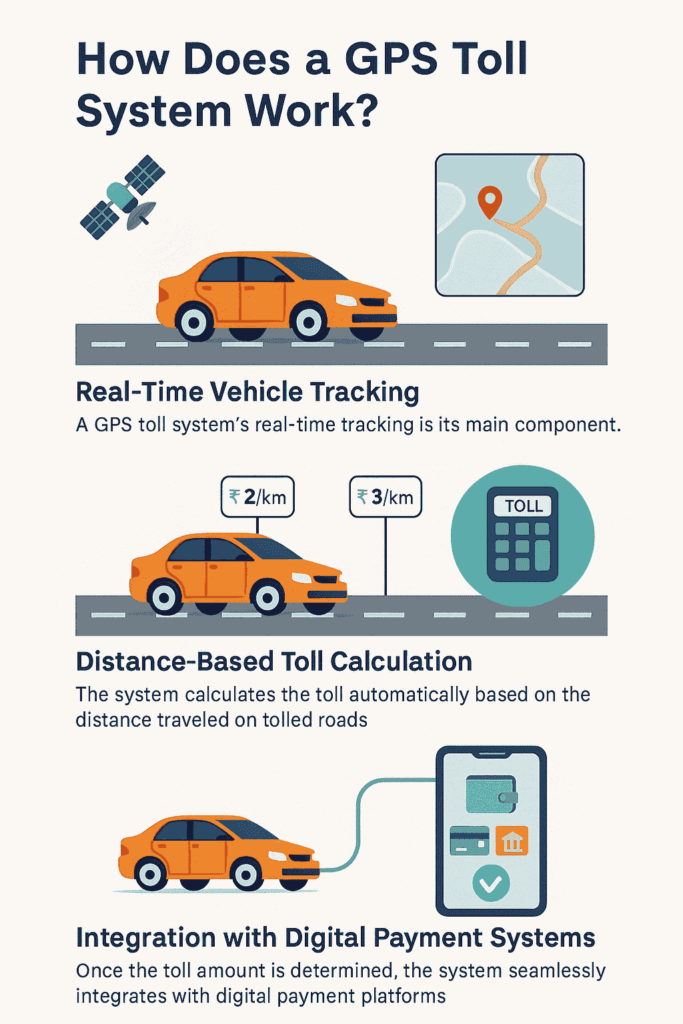
        In addition, live translation during calls, texts, and camera translation (via Bixby Vision) has been improved with better AI context recognition, ensuring that translations are accurate and relevant.

        Personal AI Concierge

        Samsung has introduced a more proactive AI assistant — sometimes dubbed the “AI Concierge” — that integrates calendar management, email prioritization, smart reminders, and app prediction. This assistant learns your daily routine and adjusts recommendations, such as alerting you of delays, managing time zones for meetings, or suggesting when to leave for appointments based on real-time traffic.

        User Interface & Customization: More Personalized Than Ever

        Samsung One UI 7 continues Samsung’s mission to create a fluid and intuitive interface. The latest iteration brings a cleaner aesthetic with deeper personalization, giving users more control over how their device looks and behaves.
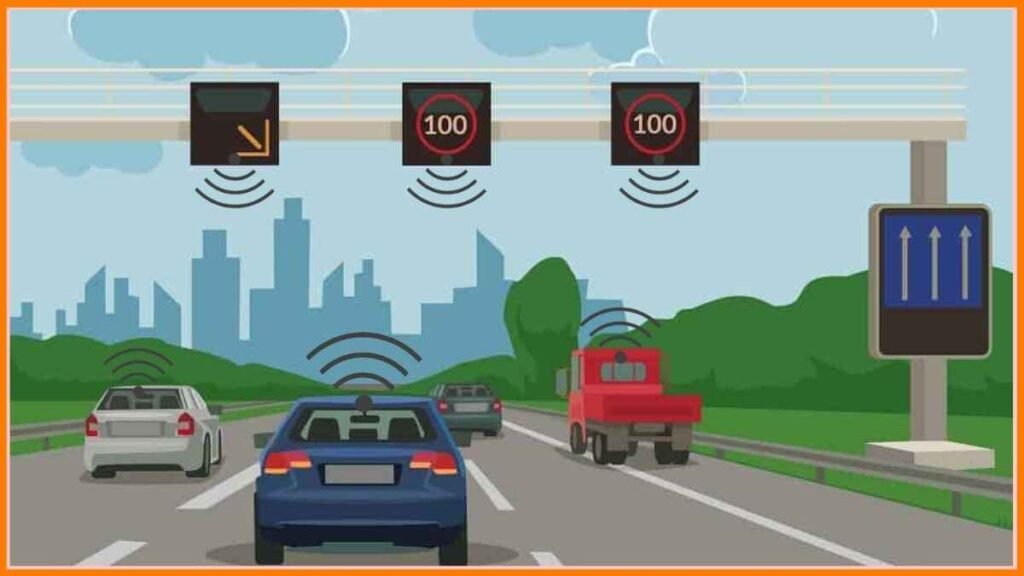
        The Redesigned Home and Lock Screen

        Widgets are now more dynamic, responsive, and interactive. Users can stack multiple widgets into a single space-saving “Smart Stack” that automatically rotates based on usage patterns and time of day. This gives the home screen a more organized look while delivering relevant information at a glance.

        The Lock Screen also received a powerful upgrade with the addition of the “Now Bar”, a quick-access panel showing ongoing activities such as music playback, timers, fitness goals, and voice recordings. This allows users to interact with essential tools without unlocking their phones.

        Theme Customization & Adaptive Color Engine

        Samsung’s Material You-like system now includes an adaptive color engine that changes the entire device color scheme based on your wallpaper. It now supports third-party app theming and auto-adjusts the status bar, keyboard, and notification colors for better visual harmony.

        With Samsung One UI 7, you can also customize the AOD (Always-On Display), notification pop-ups, and gestures more extensively than ever before.

        Camera App Overhaul

        Photography lovers will appreciate the camera app’s refreshed interface. The most frequently used options like timer, aspect ratio, resolution, and filters are now within thumb’s reach. For advanced users, Pro Mode offers more intuitive toggles for shutter speed, ISO, focus peaking, and white balance.

        Furthermore, Samsung has added a Quick Preview feature that lets users see recent shots in a pop-up gallery without switching screens — ideal for photographers on the move.

        Samsung One UI 7 Security and Privacy: Smarter, Safer, Stronger

        Samsung is doubling down on digital safety with Samsung One UI 7. With the rise of AI, data privacy becomes a bigger concern, and Samsung addresses that with multi-layered security mechanisms.

        Knox Matrix Integration

        The most revolutionary security enhancement is the Knox Matrix. Acting as a central dashboard, it shows the real-time security status of all connected Samsung devices — from your phone to your smart fridge. It color-codes devices (green = safe) and alerts you to any unusual activity, offering immediate recommendations to mitigate threats.

        Knox Matrix also uses device-to-device trust protocols, ensuring that if one device is compromised, it doesn’t jeopardize the others in your Samsung ecosystem.

        Enhanced Permissions and Network Controls

        Maximum Restrictions in Samsung One UI 7 allow users to:

        • Block access to unsafe 2G networks.
        • Prevent auto-connection to unsecured Wi-Fi.
        • Set app-specific network permissions.
        • Block USB data transfer when the device is locked.

        Additionally, users get a breakdown of how frequently an app uses specific permissions (camera, mic, location) with weekly reports.

        Safe Install & Auto Blocker

        Samsung’s new Safe Install system prevents apps from being installed from suspicious sources. Paired with Auto Blocker, this feature scans sideloaded APKs and flags malicious behavior or unnecessary permission requests — keeping your phone protected from malware and spyware.

        Galaxy S25 Series and Samsung One UI 7: Seamless Synergy

        The Galaxy S25 series — released in early 2025 — is the first line to come pre-installed with Samsung One UI 7. This synergy ensures that both hardware and software work in perfect harmony.

        Galaxy S25 Ultra: AI Supercharged

        The Galaxy S25 Ultra uses advanced AI chips to fully unlock Samsung One UI 7’s potential. Its features include:

        • Real-time scene optimization in the camera app.
        • Auto-captioning for videos in any language.
        • Smart battery management that adjusts performance based on usage patterns.

        Seamless task automation across apps — from editing images to sharing files via Samsung Quick Share based on routine behaviors.

        Device Compatibility and Rollout Timeline

        The beta version of Samsung One UI 7 started in December 2024, and the stable version began rolling out in Q1 2025. Supported devices include:

        • Galaxy S24, S24+, and S24 Ultra
        • Galaxy S23 series
        • Galaxy Z Fold 5 and Flip 5
        • Galaxy Tab S9 series
        • Select mid-range devices (A54, A74, M55, etc.)

        Samsung is expected to continue rolling out One UI 7 to eligible older devices through Q2 and Q3 of 2025.

        One UI 7 vs. One UI 6: What’s the Difference?

        Compared to One UI 6, the new version brings:

        FeatureOne UI 6One UI 7
        AI AssistantBasic (Bixby)Proactive AI Concierge
        Text EditingManualContextual AI Assistant
        Security DashboardLimitedKnox Matrix
        Home UIStatic WidgetsSmart Stack & Dynamic Widgets
        TranscriptionNot AvailableMultilingual Call Transcription
        Theme CustomizationLimitedFull-System Adaptive Themes
        Samsung One UI 7

        Galaxy S25 Series integration

        Galaxy S25 series, released early in 2025, is the initial device to incorporate Samsung One UI 7 out of the box with seamless integration of state-of-the-art AI functionality and upgraded security features. Galaxy S25 Ultra especially takes advantage of Samsung One UI 7 AI capabilities to deliver a personal AI concierge experience, completing tasks like managing emails, calendars, photo editing, and app switching seamlessly. 

        This merging is reflective of Samsung’s vision to build a more intuitive and smarter user experience.

        Conclusion

        Samsung One UI 7 is a major step forward in mobile user interfaces, combining state-of-the-art AI features, strengthened security features, and a more polished design to provide users with a more personalized, secure, and easy-to-use experience. With its global launch together with the Galaxy S25 series early in 2025, Samsung One UI 7 raises the bar for what users can get from their mobile devices, showing Samsung’s commitment to innovation and user-focused design. 

        Frequently Asked Questions About Samsung One UI 7

        1. What is Samsung One UI 7?

        Samsung One UI 7 is the latest version of Samsung’s custom Android interface built on Android 15. It introduces advanced AI features, a redesigned UI, and improved security tools to deliver a smarter and more personalized user experience.


        2. Which devices support Samsung One UI 7?

        Samsung One UI 7 is available for several devices, including:

        • Galaxy S24, S24+, and S24 Ultra
        • Galaxy S23 series
        • Galaxy Z Fold 5 and Flip 5
        • Galaxy Tab S9 series
        • Selected mid-range devices like Galaxy A54, A74, and M55

        More eligible devices are being added gradually as Samsung completes testing.


        3. When was Samsung One UI 7 released?

        The beta version of Samsung One UI 7 began rolling out on December 5, 2024, in countries like the U.S., India, and Germany. The stable version started rolling out in Q1 2025, beginning with the Galaxy S24 and Galaxy S25 series.


        4. What are the top AI features in Samsung One UI 7?

        Samsung One UI 7 integrates AI deeply into the system. Top AI features include:

        • Smart text editing with grammar, spelling, and tone correction
        • Live call transcription in over 20 languages
        • AI-based app suggestions and calendar management
        • Camera AI optimization for better scene detection
        • Real-time voice translation

        These tools help boost productivity, accessibility, and user convenience.


        5. How does Samsung One UI 7 improve security?

        Samsung One UI 7 includes a range of privacy and security upgrades:

        • Knox Matrix for multi-device threat monitoring
        • Safe Install and Auto Blocker for sideloaded apps
        • Network controls to block 2G and insecure Wi-Fi
        • USB data access blocking when the phone is locked

        These features protect users from malware, data theft, and unauthorized access.


        6. What is Knox Matrix in Samsung One UI 7?

        Knox Matrix is Samsung’s new security dashboard that monitors connected Galaxy devices like phones, TVs, and smart appliances. It shows real-time security status (green = safe) and offers alerts with recommended actions if threats are detected. It’s a central tool for managing digital safety in Samsung’s ecosystem.


        7. Can I customize the look of my phone with One UI 7?

        Yes! Samsung One UI 7 brings extensive customization options, including:

        • Dynamic color theming from your wallpaper
        • Improved widgets with smart stacking
        • More lock screen shortcuts and always-on display settings
        • New font and icon choices
        • Better gesture and animation control

        These changes help users personalize their Galaxy devices easily.


        8. Is Samsung One UI 7 available for tablets?

        Yes, Samsung Galaxy Tab S9 series and some other tablets are eligible for the One UI 7 update. The interface is optimized for large screens, with multitasking features, improved split-screen support, and better S Pen integration.


        9. What’s new in the Samsung One UI 7 camera app?

        The camera app in Samsung One UI 7 has been redesigned for usability:

        • Refined layout with easier access to Pro Mode
        • Quick Preview of recent photos without leaving the camera
        • Improved AI scene detection for better shots
        • Streamlined video options and aspect ratio controls

        It’s more intuitive and user-friendly, especially for content creators.


        10. How does One UI 7 improve multitasking?

        Samsung One UI 7 enhances multitasking with:

        • Floating window previews
        • App pairing for launching two apps together
        • Split-screen suggestions based on recent usage
        • Drag-and-drop text and images between apps

        These features allow users to work faster and more efficiently.


        11. Does Samsung One UI 7 improve battery performance?

        Yes. Samsung One UI 7 includes AI-based battery optimization, which learns your usage habits and adjusts background activity to conserve energy. The new battery dashboard also provides detailed analytics and personalized tips for extending battery life.


        12. How do I update to Samsung One UI 7?

        To update:

        1. Go to Settings > Software Update
        2. Tap Download and Install
        3. Follow on-screen instructions

        Make sure your device is eligible and has at least 50% battery and a Wi-Fi connection before starting the update.


        13. Is Samsung One UI 7 based on Android 15?

        Yes, Samsung One UI 7 is built on Android 15, the latest version of Google’s mobile OS. It includes all Android 15 features along with Samsung-specific enhancements like Knox Matrix, Now Bar, and smart customization.


        14. What is the “Now Bar” in One UI 7?

        The Now Bar is a new quick-access feature on the lock screen that shows real-time activities like music playback, voice memos, and timers. It reduces the need to unlock the phone and offers a smoother user experience.


        15. Will mid-range devices like Galaxy A-series get One UI 7?

        Yes, selected mid-range devices like the Galaxy A54, A74, and M55 are expected to receive Samsung One UI 7. However, the release schedule may vary by region and carrier. Users should regularly check for updates in their phone settings.

        16. Does Samsung One UI 7 improve voice assistant features?

        Yes, Samsung One UI 7 enhances the Bixby voice assistant with deeper AI integration. Bixby can now understand context better, execute more complex commands, and perform multi-step tasks like setting up reminders, scheduling events, and adjusting multiple settings at once. Additionally, voice dictation is faster and more accurate, with support for regional accents and languages. Users can also trigger AI features like summarizing text or translating content using voice commands. These improvements make the voice assistant more responsive, intelligent, and helpful in day-to-day tasks.

      • Google Pixel 9a: Stunning AI Upgrade & Superior Durability

        Google Pixel 9a: Stunning AI Upgrade & Superior Durability

        Google Pixel 9a is the latest smartphone from Google, offering cutting-edge AI features, stunning photography tools, and unmatched durability. With a sleek design, real-time translation, and long-lasting software support, the Pixel 9a delivers a smart, reliable, and powerful mobile experience built for everyday use. It features Google’s advanced AI for personalized suggestions, adaptive battery life, and the Magic Editor for effortless photo enhancements. Built with premium materials and water- and dust-resistant construction, the Pixel 9a is made to last. Whether you’re a traveler, a content creator, or a casual user, the Pixel 9a is designed to keep up with your lifestyle.

        Google Pixel 9a, Launching Soon with Exciting Features

        Mark your timetables! The largely anticipated Google Pixel 9a is set to launch on April 16th, and tech suckers ca n’t stay to explore what this smartphone has to offer. Known for blending invention with trustability, Google has formerly again raised the bar with its rearmost addition to the Pixel lineup. 

        The tagline, “ Magic That’s erected to Last, ” impeccably sums up the Pixel 9a’s appeal. This smartphone combines the power of Google’s advanced AI with a design that’s erected for continuity. From smarter features to a robust figure, the Pixel 9a promises to deliver a flawless stoner experience that stands the test of time.

        Why is this launch significant? The Google Pixel 9a is n’t just another smartphone it represents a vault forward in mobile technology. With AI driven capabilities like enhanced photography, real- time backing, and better security, it’s designed to make everyday tasks lighter and more pleasurable. 

        Stay tuned for April 16th as Google Pixel 9a takes center stage, offering the perfect mix of slice- edge technology and lasting performance. This smartphone truly redefines what it means to have” magic in your hands.” 

        Key Features of Google Pixel 9a: A Perfect Blend of AI and Durability

        The Google Pixel 9a is a smartphone that combines advanced technology with a design that’s built to last. With its powerful AI-driven features and durable construction, it offers users an exceptional experience that stands out in the competitive smartphone market.

        Google AI Advancements in the Pixel 9a

        The Google Pixel 9a comes with the latest Google AI innovations, making it smarter and more intuitive than ever. Here’s what you can look forward to:

        • AI-Powered Photography: Take stunning photos with features like the Magic Editor, which can enhance your pictures automatically. Whether it’s low-light photography or wide-angle shots, the AI ensures every image looks professional.
        • AI-Powered Photography: Take stunning photos with features like the Magic Editor, which can enhance your pictures automatically. Whether it’s low-light photography or wide-angle shots, the AI ensures every image looks professional.
        • Personalized User Experience: Google AI adapts to your preferences, offering personalized app suggestions, tailored notifications, and even smarter battery management to keep you going throughout the day. 

        Durable Design, Built to Last 

        The Google Pixel 9a doesn’t just focus on technology—it’s also crafted for durability. Here’s what makes it stand out: 

        • Robust Build Quality: Designed with high-quality materials, the Pixel 9a is built to handle the wear and tear of everyday life. Its sleek yet sturdy design ensures it can endure accidental drops and bumps. 
        • Water and Dust Resistance: With a strong IP rating, the Pixel 9a is protected against water and dust, giving users added confidence in its resilience. 
        • Long-Lasting Software Support: Google guarantees regular Android updates and security patches, ensuring your Pixel 9a stays up-to-date and reliable for years to come.

        In the Google Pixel 9a, you’ll find a smartphone that seamlessly combines cutting-edge AI features with a tough, durable design. Whether it’s the smart functionality or the promise of lasting performance, this device delivers on all fronts. Get ready to experience the perfect blend of innovation and reliability with the Google Pixel 9a.

        AI-Powered Innovations in Google Pixel 9a

        The Google Pixel 9a is here to redefine your smartphone experience with cutting-edge AI powered features. Whether it’s capturing stunning photos, translating languages in real time, or personalizing your daily tasks, the Pixel 9a is designed to make life easier and more enjoyable.

        Enhanced Photography with AI-Based Magic Editor 

        The Google Pixel 9a takes smartphone photography to a whole new level with its AI powered Magic Editor. This advanced tool automatically enhances your photos, giving them a professional touch. 

        • Effortless Photo Editing: From adjusting lighting to removing unwanted objects, the Magic Editor makes editing quick and easy. 
        • Perfect Shots Every Time: The AI ensures your photos look great, even in challenging conditions like low light or high contrast.
        • Creative Freedom: Experiment with editing features that let you reshape and refine your photos without needing extra apps.

        Whether you’re snapping selfies, capturing scenic landscapes, or documenting everyday moments, the Magic Editor ensures your pictures always shine.

        Real-Time Language Translation and Voice Recognition

        One of the standout features of the Google Pixel 9a is its ability to break down communication barriers. 

        • Instant Translation: The Pixel 9a can translate languages in real time, making it perfect for travelers or anyone navigating a multilingual world. 
        • Clear Voice Recognition: Whether you’re dictating messages, searching online, or using voice commands, the AI ensures accurate and fast recognition, even in noisy environments. 
        • Live Transcriptions: For meetings or lectures, the Pixel 9a can provide real-time transcriptions, so you never miss a detail.

        These AI tools are designed to help you stay connected and productive, no matter where you are. 

        Personalized AI Features for a Seamless Experience

        The Google Pixel 9a understands your preferences and adapts to them, offering a truly personalized experience.

        • Smart Suggestions: The AI learns your habits over time, providing tailored app recommendations, reminders, and notifications.
        • Adaptive Battery: With its AI-powered battery management, the Pixel 9a prioritizes power for the apps you use most, ensuring it lasts longer throughout the day. 
        • Custom Routines: Set up automated routines, like muting notifications during meetings or dimming the screen at night, for a hands-free experience. 

        This level of personalization makes the Pixel 9a more than just a smartphone—it’s your intelligent companion.

        Why the Google Pixel 9a Stands Out

        With features like the Magic Editor, real-time translation, and personalized AI, the Google Pixel 9a is more than a phone; it’s a game-changer. These innovations ensure that every interaction with your device is smooth, efficient, and enjoyable.

        If you’re looking for a smartphone that combines advanced AI with everyday practicality, the Google Pixel 9a is the perfect choice. Experience the future of technology with the Pixel 9a and discover the magic it brings to your hands.

        Durability That Stands Out: Google Pixel 9a 

        The Google Pixel 9a isn’t just about smart features—it’s built to last. With its durable design and strong materials, this smartphone is ready to handle the challenges of everyday life. 

        Robust Materials and Design

        The Google Pixel 9a is crafted with high-quality materials that make it tough yet lightweight. Its sleek design not only looks great but also provides the strength to withstand accidental drops and bumps. It’s a phone that balances style and durability perfectly.

        Water and Dust Resistance 

        One of the standout features of the Google Pixel 9a is its water and dust resistance. With a reliable IP rating, this device can handle unexpected spills, splashes, or dusty environments. Whether you’re caught in the rain or working in challenging conditions, the Pixel 9a stays protected.

        Software Longevity with Android Updates  

        The Google Pixel 9a isn’t just physically durable—it’s built to stay updated for years. Google guarantees regular Android updates and security patches, ensuring your phone remains secure and performs efficiently. This commitment to software longevity means the Pixel 9a stays reliable long after you’ve purchased it.

        In the Google Pixel 9a, durability meets innovation. From its sturdy build to lasting software support, it’s a smartphone designed for those who want technology that goes the distance. Experience the perfect blend of toughness and technology with the Google Pixel 9a.

        Google Pixel 9a vs. Competitors: What Sets It Apart?

        The Google Pixel 9a competes with other smartphones in its price range, offering features that truly stand out. While devices like Samsung Galaxy A54 and iPhone SE provide good performance, the Pixel 9a goes a step further with its advanced AI and reliable build quality.

        Key Comparisons

        • Camera: The Pixel 9a’s AI-powered Magic Editor makes photography effortless, outperforming many competitors in the segment. 
        • Software: Unlike others, the Pixel 9a guarantees regular Android updates, ensuring your phone stays secure and up-to-date for years. 
        • Durability: With its water and dust resistance, the Pixel 9a is more rugged than most rivals. 

        Why Choose the Pixel 9a?

        The Google Pixel 9a is unique because of its seamless integration of AI, premium build quality, and long-term software support. It’s the perfect choice for users who want a smart, durable, and reliable device. Experience unmatched innovation with the Google Pixel 9a.

        1.  What is the expected price of the Google Pixel 9a?

        The Google Pixel 9a is priced competitively across regions: 

        • United States: $499  
        • India: ₹49,999  
        • Europe: Approx. €449 

        Pricing may vary depending on the retailer and available promotions.

        1.  When will the Google Pixel 9a be available for purchase? 

        The official launch is on April 16th, with availability through the Google Store and authorized retailers shortly after. 

        1.  Are there any exclusive pre-order offers for the Google Pixel 9a?

        Yes, Google is offering exciting deals for early buyers:  

        • United States: $100 Google Store credit on pre-orders, valid until April 23rd.  
        • India: Expect bundle discounts and cashback offers through leading payment gateways.
        1.  Where can I pre-order the Google Pixel 9a? 

        You can pre-order the Google Pixel 9a on the official Google Store or through select online retailers in your region.

        1.  Does the pricing include additional perks? 

        In some regions, pre-orders come with free subscriptions to services like Google One or YouTube Premium for a limited period. 

        The Google Pixel 9a brings powerful features and great value. Don’t miss your chance to grab it at launch with exclusive deals!

        Google Pixel 9a – Frequently Asked Questions (FAQ)

        1. What is the Google Pixel 9a?

        The Google Pixel 9a is Google’s newest mid-range smartphone, designed to deliver premium features at an affordable price. It comes equipped with powerful AI capabilities, a durable build, and a user-friendly design that ensures a smooth, efficient, and intelligent smartphone experience. It’s perfect for users who want advanced functionality without breaking the bank.


        2. When is the Google Pixel 9a launching?

        The official launch date for the Google Pixel 9a is April 16, 2025. It will be available for purchase shortly after the launch event, both online and through authorized retailers globally.


        3. What are the standout features of the Google Pixel 9a?

        The Google Pixel 9a includes several standout features:

        • AI-Powered Magic Editor for effortless photo editing
        • Real-time translation for breaking language barriers
        • Smart battery management that adapts to your usage
        • Durable, water- and dust-resistant design
        • Regular Android updates and security patches from Google
        • Custom routines and personalized notifications
        • Live transcriptions and voice recognition

        These features make it a versatile choice for tech-savvy users and everyday consumers alike.


        4. What AI features are included in the Pixel 9a?

        The Google Pixel 9a leverages advanced Google AI to provide:

        • Smart Photo Editing: Automatically enhances your photos, adjusts lighting, and removes unwanted objects.
        • Live Translate: Instantly translates speech or text across multiple languages.
        • Personalized Experience: Adapts to your habits with app suggestions and custom routines.
        • Voice Assistant & Recognition: Accurate commands even in noisy environments.
        • Adaptive Battery: Prioritizes power for your most-used apps.

        These AI features are designed to simplify your life and boost productivity.


        5. What is the price of the Google Pixel 9a?

        The expected pricing for the Google Pixel 9a is:

        • United States: $499
        • India: ₹49,999
        • Europe: Approx. €449

        Pricing may vary slightly depending on region, retailer, and promotional offers.


        6. Where can I buy the Google Pixel 9a?

        You can purchase the Pixel 9a through:

        • The official Google Store
        • Amazon and Flipkart (in select regions like India)
        • Authorized retail partners and carriers

        Pre-orders will begin shortly after the April 16th launch.


        7. Are there any pre-order bonuses or deals?

        Yes! Google is offering special pre-order incentives such as:

        • United States: $100 Google Store credit for pre-orders made before April 23.
        • India: Cashback offers and bundle deals through major banks and e-commerce platforms.
        • Europe: Free Google One or YouTube Premium trials for limited periods.

        Check with your local retailer for region-specific deals.


        8. Is the Pixel 9a water and dust resistant?

        Yes, the Google Pixel 9a comes with a reliable IP rating for water and dust resistance. This means it can handle minor splashes, light rain, and dusty environments without damage—making it a great companion for outdoor adventures or accidental spills.


        9. How durable is the Pixel 9a?

        Durability is a key focus of the Pixel 9a. It features:

        • A robust exterior made from high-quality materials
        • Reinforced corners and body to absorb impact
        • A scratch-resistant screen
        • Long-term software support with guaranteed Android updates

        Together, these make it a durable device that lasts over time.


        10. What colors are available for the Pixel 9a?

        The Google Pixel 9a is expected to launch in a range of elegant and modern colors. Some rumored options include:

        • Charcoal Black
        • Chalk White
        • Mint Green
        • Sky Blue

        Availability may vary by region.


        11. How good is the camera on the Pixel 9a?

        The Pixel 9a features a dual-lens AI-enhanced camera system that includes:

        • Magic Editor for easy editing
        • Night Sight for low-light photography
        • Portrait Mode with background blur
        • Ultra-Wide Lens for landscape shots
        • 4K video recording capabilities

        It’s designed to produce professional-looking images with minimal effort.


        12. Does the Google Pixel 9a support 5G?

        Yes, the Pixel 9a supports 5G connectivity, allowing for faster download speeds, smoother video streaming, and improved online gaming experiences.


        13. How long does the battery last on the Pixel 9a?

        Thanks to its Adaptive Battery feature, the Pixel 9a learns your usage patterns to optimize power distribution. Most users can expect up to 24 hours of battery life, and even longer in Extreme Battery Saver mode.


        14. What processor does the Pixel 9a use?

        The Pixel 9a is powered by Google’s custom Tensor G2 chip, which enhances AI performance, improves multitasking, and boosts power efficiency across the board.


        15. How much storage does the Pixel 9a offer?

        The Pixel 9a is expected to launch with two storage variants:

        • 128GB
        • 256GB

        Both versions come with UFS 3.1 storage for faster data access and app loading.


        16. Does the Pixel 9a have a headphone jack?

        No, the Pixel 9a does not include a headphone jack. Users can connect audio devices via:

        • Bluetooth
        • USB-C
        • USB-C to 3.5mm adapter (sold separately)

        17. How long will the Pixel 9a receive updates?

        Google promises at least 5 years of security updates and 3 years of Android OS upgrades, keeping your Pixel 9a safe, modern, and functional for years to come.


        18. Does the Pixel 9a support wireless charging?

        As of now, the Pixel 9a does not support wireless charging. It uses fast USB-C charging, with up to 18W charging speed for quick top-ups.


        19. Is the display on the Pixel 9a any good?

        Yes, the Pixel 9a sports a 6.1-inch Full HD+ OLED display with:

        • 90Hz refresh rate for smooth scrolling
        • HDR support for vivid colors
        • Always-on Display with at-a-glance information

        This screen is ideal for media, browsing, and gaming.


        20. Is the Pixel 9a a good choice for students or professionals?

        Absolutely! The Pixel 9a is perfect for both:

        • Students benefit from AI-powered tools like live transcription and language translation.
        • Professionals enjoy secure data handling, long battery life, and productivity features like voice dictation and smart app suggestions.

        21. Can the Pixel 9a be used for gaming?

        Yes! The Tensor chip and 90Hz display make the Pixel 9a suitable for casual to mid-level gaming, ensuring smooth performance in games like PUBG, Call of Duty Mobile, and Genshin Impact.


        22. What’s in the box with the Google Pixel 9a?

        In the box, you’ll typically find:

        • Google Pixel 9a smartphone
        • USB-C to USB-C charging cable
        • Quick Switch Adapter
        • Documentation and SIM tool

        Note: A charging brick may not be included, following Google’s eco-friendly packaging initiative.


        23. How does the Pixel 9a compare to the Pixel 7a or 6a?

        The Pixel 9a offers:

        • Better AI features compared to 6a and 7a
        • More efficient battery usage
        • Enhanced build quality and durability
        • Tensor G2 chip, offering improved performance over previous models

        It’s an ideal upgrade if you’re coming from an older Pixel model or a mid-range device.


        24. Will the Pixel 9a work internationally?

        Yes, the Google Pixel 9a is an unlocked device and supports multiple bands for international use, including 5G, 4G LTE, and Wi-Fi 6. Make sure to check regional compatibility with your carrier before purchasing.


        25. Why should I choose the Google Pixel 9a over other mid-range phones?

        The Pixel 9a stands out due to:

        • Google’s clean Android interface
        • Industry-leading AI features
        • Regular updates and long-term support
        • Durable and stylish design
        • High-performance camera system

        It’s a complete package that combines innovation, reliability, and affordability.

      • Passport Tips: Unlock 5 Steps to Effortless Travel

        Passport Tips: Unlock 5 Steps to Effortless Travel

        Passport is an important travel document for people travelling abroad for education, pilgrimage, tourism, business, medical treatment and to visit family members. In the last few years, the demand for International Travel Pass and related services has increased due to the growing economy and spread of globalization. To meet this growing demand for services, the Ministry of External Affairs launched the Passport Seva Project in May 2010.

        passports Seva has simplified and brought transparency in the delivery of International Travel Pass and related services. Under this project, Government officials dealing with International Travel Pass, State Police for verification of applicants’ details and India Post for delivery of passports have been linked together under a network to establish coordination among them for issuing International Travel Pass across the country.

        All Indian citizens travelling or wishing to travel outside India require a valid passport or travel document. Under the Passport Act 1967, the Government of India can issue various types of International Travel Pass or travel documents, such as ordinary International Travel Pass, diplomatic passport, official passport, emergency certificate and identity certificate for the purpose of identification.

        Apply for passport through e-form submission

        To apply for a new passport or International Travel Pass re-issuance through e-form submission, you have to register yourself on the passport seva portal.

        After registration, you have to log in to the passport seva portal.

        Download the e-form for new International Travel Pass or passport re-issuance.

        Fill the downloaded e-form and click on the validate and save button. After this, an XML file will be created which will have to be uploaded later.

        Upload the XML file through upload e-form. Do not upload PDF files here because only XML files will be taken here.

        After uploading the form, click on the “Pay and Schedule Appointment” link and schedule your time (appointment) at the International Travel Pass seva kendra.

        Search for the Passport Seva Kendra location and select your Passport Seva Kendra.

        After scheduling your appointment at the selected Passport Seva Kendra, you can make online payment through Credit/Debit Card (Mastercard & Visa), Internet Banking (State Bank of India & Associate Banks only) or SBI Bank Challan.

        International Travel Pass is an important travel document for people travelling abroad for education, pilgrimage, tourism, business, medical treatment and to visit family members. In the last few years, the demand for International Travel Pass and related services has increased due to the growing economy and spread of globalization. To meet this growing demand for services, the Ministry of External Affairs launched the Passport Seva Project in May 2010.

        International Travel Pass has simplified and brought transparency in the delivery of International Travel Pass and related services. Under this project, Government officials dealing with International Travel Pass, State Police for verification of applicants’ details and India Post for delivery of International Travel Pass have been linked together under a network to establish coordination among them for issuing International Travel Pass across the country.

        All Indian citizens travelling or wishing to travel outside India require a valid passport or travel document. Under the Passport Act 1967, the Government of India can issue various types of passports or travel documents, such as ordinary International Travel Pass, diplomatic passport, official passport, emergency certificate and identity certificate for the purpose of identification.

        Apply for passport through e-form submission

        To apply for a new International Travel Pass or passport re-issuance through e-form submission, you have to register yourself on the passport seva portal.

        After registration, you have to log in to the passport seva portal.

        Download the e-form for new passport or passport re-issuance.

        Fill the downloaded e-form and click on the validate and save button. After this, an XML file will be created which will have to be uploaded later.

        Upload the XML file through upload e-form. Do not upload PDF files here because only XML files will be taken here.

        After uploading the form, click on the “Pay and Schedule Appointment” link and schedule your time (appointment) at the International Travel Pass seva kendra.

        Search for the Passport Seva Kendra location and select your Passport Seva Kendra.

        After scheduling your appointment at the selected International Travel Pass, you can make online payment through Credit/Debit Card (Mastercard & Visa), Internet Banking (State Bank of India & Associate Banks only) or SBI Bank Challan.

        VISA FOR UK

        Many types of visas are issued to Indians for entry into Britain. One of these is the Standard Visitors Visa, through which people are allowed to stay in Britain for six months. This is a great option for those who want to go there for holidays, to meet family members or to be a part of graduation ceremonies. Standard Visitors Visa cannot be extended further, as it is only for six months.

        Standard Visitors Visa has to be applied for online. After this you will be called to the Visa Application Center, where it will be issued after the interview. Visitors’ visas can be applied for only 3 months before the trip. You will have to fulfill the necessary conditions for the visa and do only those things which are allowed. Let us know about the Standard Visitors Visa in detail. Also know which documents are required for this.

        How much is the visa fee?

        There are many types of Standard Visitors Visas. Because of this, their fees and the duration of stay are also different. Let’s know about all types of Standard Visitors Visa.

        Standard Visitors Visa: The fee for this visa is 115 pounds and its validity is 6 months.

        Standard Visitors Visa for Medical Reasons: A fee of 200 pounds will have to be paid for this visa. Its validity is 11 months.

        Standard Visitors Visa for Academics: The fee for this visa is 200, while the validity is 12 months.

        2 Year Long-Term Standard Visitors Visa: The fee for this visa is 432 pounds. Once you come, you are allowed to stay for 6 months.

        5 Year Long-Term Standard Visitors Visa: The fee for this visa is 771. Once you come to Britain, you can stay for 6 months.

        10 Year Long-Term Standard Visitors Visa: The fee for this visa is 963 pounds. With this visa, you can stay for a maximum of 6 months on each visit.

        How to apply?

        Standard Visitors Visa has to be applied for online. First of all, fill the online form and submit it. If you apply with your family members, each person will have to fill their form separately and pay the fee. Also, they will have to go to the Visa Application Center and give an appointment in person. If the applicant’s partner and child cannot apply themselves, then the applicant can apply on their behalf.

        What documents will be required to apply?

        The applicant must have a passport or travel document, which is valid during his stay in Britain. For Standard Visitors Visa, there should be a blank page in the applicant’s passport.

        Frequently Asked Questions – International Travel Pass & UK Visa

        1. What is an International Travel Pass?

        An International Travel Pass is an official document issued by the Government of India that allows Indian citizens to travel abroad for purposes such as education, tourism, business, medical treatment, and visiting family members.


        2. Why has the demand for International Travel Passes increased?

        The demand has surged due to India’s growing economy and globalization. As more citizens engage in international activities, the need for travel documentation like the International Travel Pass has expanded.


        3. What is the Passport Seva Project?

        Launched in May 2010 by the Ministry of External Affairs, the Passport Seva Project was initiated to improve the delivery of International Travel Passes and related services. It integrates government officials, state police, and India Post to streamline processing and enhance transparency.


        4. Who is eligible to apply for an International Travel Pass?

        All Indian citizens who wish to travel abroad are required to hold a valid International Travel Pass or similar travel document as per the Passport Act of 1967.


        5. What types of travel documents are issued by the Indian Government?

        Under the Passport Act 1967, the following documents can be issued:

        • Ordinary International Travel Pass
        • Diplomatic International Travel Pass
        • Official International Travel Pass
        • Emergency Certificate
        • Identity Certificate (for identification purposes)

        6. How can I apply for an International Travel Pass through e-form submission?

        To apply for a new or renewed International Travel Pass using the e-form process:

        1. Register on the Passport Seva Portal
        2. Log in with your credentials.
        3. Download the e-form for new issuance or re-issuance.
        4. Fill and validate the form to generate an XML file.
        5. Upload the XML file (only XML, not PDF).
        6. Schedule your appointment at your nearest International Travel Pass Seva Kendra.
        7. Make the payment online via Debit/Credit Card, Internet Banking, or SBI Bank Challan.

        7. Can I submit a PDF file instead of an XML file?

        No. Only XML files generated after validating the e-form are accepted during the upload process.


        8. Where do I need to go after scheduling the appointment?

        You need to visit the selected International Travel Pass Seva Kendra (ITPSK) on the scheduled date and time. This is where your application will be processed and biometric data collected.


        9. What is a Standard Visitors Visa for the UK?

        A Standard Visitors Visa allows Indian citizens to stay in the UK for up to 6 months. It is ideal for tourism, family visits, attending ceremonies, or short academic purposes.


        10. How do I apply for a UK Standard Visitors Visa?

        Here’s how to apply:

        1. Fill out the visa application online.
        2. Book an appointment at your nearest Visa Application Center.
        3. Attend the interview and submit biometric data.
        4. Wait for processing and approval.

        Each family member must apply individually and pay separate fees.


        11. What are the different types of UK Standard Visitors Visas and their fees?

        TypeFeeValidity
        General Standard Visitors Visa£1156 months
        For Medical Reasons£20011 months
        For Academics£20012 months
        2-Year Long-Term Visa£4326 months per visit
        5-Year Long-Term Visa£7716 months per visit
        10-Year Long-Term Visa£9636 months per visit

        12. Can I extend my UK Standard Visitors Visa?

        No. The Standard Visitors Visa is not extendable and is limited to the validity mentioned. You must leave the UK before the expiry date.


        13. When should I apply for the Standard Visitors Visa?

        You can apply up to 3 months before your intended travel date. Make sure your documents are complete and valid during your stay.


        14. What documents are required to apply for a UK Standard Visitors Visa?

        You will need:

        • A valid International Travel Pass or equivalent travel document
        • A blank page in the document for the visa
        • Proof of purpose of visit
        • Financial documents and proof of accommodation (if needed)
        • Other supporting documents as per your specific case

        15. Can I apply for a UK visa for my family?

        Yes, but each member must fill out a separate application, pay their own fee, and visit the Visa Application Center individually—even if the trip is family-based.


        16. Can I use an expired International Travel Pass to apply for a UK visa?

        No, your International Travel Pass must be valid during your intended stay in the UK. An expired travel document will lead to a rejected visa application.


        17. How long does it take to process a UK Standard Visitors Visa?

        Processing times vary, but typically, it takes a few weeks. Apply well in advance, and track your application online via the official UK visa portal.


        18. What payment methods are accepted for International Travel Pass appointments?

        You can pay online using:

        • Credit/Debit Cards (Mastercard/Visa)
        • Internet Banking (SBI & Associate Banks)
        • SBI Bank Challan (Offline)

        19. What are the benefits of the Passport Seva Project?

        • Faster processing of applications
        • Improved transparency
        • Integration with State Police and India Post
        • Easier tracking and scheduling
        • Convenient online application via e-form

        20. Where can I find my nearest International Travel Pass Seva Kendra?

        You can search and locate your nearest International Travel Pass Seva Kendra directly on the Passport Seva Portal.

        21. Is it mandatory to have an International Travel Pass to travel abroad?

        Yes. Indian citizens must carry a valid International Travel Pass or other government-issued travel document to leave the country or enter any foreign nation.


        22. Can minors apply for an International Travel Pass?

        Yes. Minors can apply for an International Travel Pass with the consent of parents or legal guardians. Additional documents such as birth certificates and proof of parentage are required during application.


        23. What is the difference between an Ordinary and a Diplomatic International Travel Pass?

        • Ordinary Travel Pass: Issued to regular citizens for general travel (tourism, study, work).
        • Diplomatic Travel Pass: Issued to Indian diplomats or senior government officials for official international missions.

        24. How long is an International Travel Pass valid?

        Typically, an International Travel Pass is valid for 10 years for adults and 5 years for minors under 18. After expiry, it must be renewed.


        25. Can I apply for an International Travel Pass offline?

        While the system is now mostly digital, certain services like document verification and biometric data collection still require physical visits to the International Travel Pass Seva Kendra.


        26. What happens if I lose my International Travel Pass abroad?

        You must immediately report the loss to the local police and contact the nearest Indian Embassy or Consulate. They may issue an Emergency Certificate to facilitate your return to India.


        27. What is an Emergency Certificate?

        An Emergency Certificate is a one-way travel document issued to Indian citizens stranded abroad who have lost or damaged their International Travel Pass or require emergency repatriation.


        28. Can I reschedule my appointment at the International Travel Pass Seva Kendra?

        Yes. You can reschedule up to two times after your original appointment. Rescheduling must be done via the Passport Seva Portal before the date of your appointment.


        29. What is police verification in the International Travel Pass process?

        It is a mandatory step where the local police verify the applicant’s background and residential address. The issuance of your International Travel Pass depends on successful verification.


        30. How can I track the status of my International Travel Pass application?

        You can track your application status online using the ARN (Application Reference Number) provided during the submission on the Passport Seva Portal.


        31. What should I do if there’s an error in my issued International Travel Pass?

        You must visit the International Travel Pass Seva Kendra and file a request for correction. You’ll need to submit supporting documents and pay a correction fee, if applicable.


        32. Can NRIs (Non-Resident Indians) apply for an International Travel Pass in India?

        NRIs can apply for travel documents through Indian Embassies/Consulates in their resident country. If in India temporarily, they may also apply via the regular International Travel Pass Seva system.


        33. Are International Travel Pass services available in regional languages?

        Yes, most of the information and application portals are available in multiple Indian languages, though the core forms and documents are generally in English.


        34. What is the difference between a Visa and an International Travel Pass?

        • An International Travel Pass is issued by the Indian government and certifies your citizenship and identity for international travel.
        • A Visa is issued by the country you intend to visit and permits you to enter and stay there for a specified period.

        35. Is travel insurance required for UK Visa applications?

        While not mandatory, travel insurance is highly recommended when applying for a UK visa to cover medical emergencies, cancellations, and travel disruptions.


        36. Can I work in the UK on a Standard Visitors Visa?

        No. The Standard Visitors Visa is strictly for tourism, medical, academic, or family visits. It does not permit paid or unpaid work in the UK.


        37. What if my UK visa application is rejected?

        You will receive a reason for the rejection. You can reapply with corrected information or appeal if eligible. It is essential to ensure your documents are complete and consistent.