Son of President Joe Biden, Hunter Biden’s Conviction case has been found guilty of federal gun charges. This development marks another chapter in the ongoing legal and political controversies surrounding the Biden family. The conviction raises questions about its implications for Hunter Biden, the Biden administration, and the broader political landscape in the United States.
Hunter Biden’s Conviction: Legal Troubles
Hunter Biden has faced a series of legal and personal issues over the years, including allegations of tax evasion, questionable business dealings, and now, a conviction on federal gun charges. These troubles have kept him in the spotlight and have been a persistent source of criticism for the Biden family.
Details of the Gun Charges
Hunter Biden was charged under federal laws that regulate the ownership and possession of firearms. Specifically, he was accused of making a false statement on a federal firearm application and illegally possessing a firearm while being a user of controlled substances. These charges are serious and carry significant legal consequences.
The Court Proceedings
The trial was marked by intense scrutiny from both the media and the public. Key moments included the presentation of evidence by the prosecution, which detailed Hunter Biden’s alleged false statements on a gun purchase form, and the defense’s efforts to counter these claims. The prosecution argued that Biden knowingly lied on the firearm application, while the defense highlighted his struggles with addiction as a mitigating factor.
Impact on the Biden Family
The conviction has significant implications for the Biden family. President Joe Biden has publicly supported his son through his legal troubles, but this conviction adds a new layer of complexity to their relationship and the public’s perception of the family. It also raises questions about the potential political fallout for the President.
Public Reaction
Media coverage of Hunter Biden’s conviction has been extensive, with varying perspectives from different outlets. Public opinion is similarly divided, with some viewing the conviction as a necessary step in holding Hunter Biden accountable, while others see it as a politically motivated attack. The political ramifications are still unfolding, but it is clear that this case has captured widespread attention.
Historical Context
Comparing Hunter Biden’s Conviction case to similar incidents involving other public figures provides context for understanding its significance. High-profile cases often draw intense scrutiny and can have lasting impacts on public trust and political dynamics.
Legal Implications
The potential penalties for Hunter Biden are severe and could include significant fines and imprisonment. The exact sentence will depend on various factors, including the judge’s discretion and any mitigating circumstances presented by the defense.
Hunter Biden’s Defense
Hunter Biden’s legal team argued that his actions were influenced by his struggles with addiction. They sought to present a narrative of a man dealing with personal demons rather than a willful lawbreaker. This defense aimed to garner sympathy and mitigate the potential penalties.
Federal Gun Laws
Understanding the federal gun laws that Hunter Biden violated is crucial. These laws are designed to regulate firearm purchases and possession to prevent illegal activity and ensure public safety. They include stringent requirements for background checks and truthful disclosures on firearm applications.
Political Ramifications
Hunter Biden’s conviction could have substantial political ramifications. It may affect public opinion of the Biden administration and influence future political campaigns. Opponents may use this conviction to question the integrity and accountability of the President and his family.
Hunter Biden’s Background
Hunter Biden’s Conviction personal and professional history is marked by both achievements and controversies. He has worked as a lawyer, lobbyist, and investment advisor, but his career has been overshadowed by legal and personal issues, including his struggles with addiction.
Family Response
The Biden family has publicly supported Hunter through his legal troubles. President Joe Biden and First Lady Jill Biden have issued statements expressing their love and support for their son. This solidarity is essential in understanding the family’s dynamic and public stance.
Impact on President Joe Biden
The conviction of Hunter Biden could impact President Joe Biden’s administration. It may provide ammunition for political opponents and distract from the President’s policy agenda. However, it also presents an opportunity for the administration to demonstrate transparency and accountability.
Media Coverage
Different media outlets have reported on Hunter Biden’s conviction with varying tones and angles. Some have focused on the legal aspects and potential penalties, while others have highlighted the political implications and public reactions. This coverage shapes public perception and discourse.
Public Statements
Hunter Biden and his legal team have issued statements expressing their intention to appeal the conviction and continue fighting the charges. These statements are crucial in shaping the narrative and public understanding of the case.
Social Media Reaction
Social media platforms have been abuzz with reactions to Hunter Biden’s conviction. Opinions are polarized, with some users expressing outrage and others showing support. Analyzing these reactions provides insight into public sentiment and the broader impact of the case.
Legal Experts’ Opinions
Legal experts have weighed in on Hunter Biden’s conviction, offering analyses of the case’s strengths and weaknesses. Their insights help to contextualize the legal proceedings and potential outcomes, providing a deeper understanding of the complexities involved.
Potential Appeals
Hunter Biden’s legal team is likely to pursue an appeal, challenging the conviction on various grounds. The appeals process could be lengthy and complex, involving multiple legal strategies and arguments aimed at overturning or reducing the sentence.
Hunter Biden’s Future
Speculation about Hunter Biden’s Conviction future is rampant. The conviction could impact his career and personal life significantly. Whether he will continue to be a public figure or retreat from the spotlight remains to be seen.
Comparisons to Other Political Scandals
Hunter Biden’s Conviction case can be compared to other political scandals in recent history. These comparisons highlight the similarities and differences in how public figures are treated and the consequences they face for legal and ethical violations.
Implications for Gun Control Debate
The case has potential implications for the broader gun control debate in the United States. It may influence public opinion and legislative efforts regarding firearm regulations and the enforcement of existing laws.
Hunter Biden’s Conviction: Federal Gun Charges Lead
Hunter Biden’s Past Controversies
Hunter Biden has been involved in several controversies over the years, including allegations of tax evasion and questionable business practices. These past issues add context to his current legal troubles and shape public perception.
Public Trust and Accountability
The conviction raises important questions about public trust and accountability. It underscores the need for transparency and ethical conduct among public figures and their families, influencing how the public perceives the justice system.
Legal Precedents
Hunter Biden’s Conviction case may set legal precedents for future cases involving similar charges. It could influence how courts handle false statements on firearm applications and possession of firearms by individuals with substance abuse issues.
Expert Commentaries
Political and legal experts have offered commentaries on the broader implications of Hunter Biden’s conviction. These insights help to understand the potential impacts on the Biden administration, public trust, and the political landscape.
International Perspective
International media and governments are also paying attention to Hunter Biden’s case. Their perspectives provide a global context and highlight how the case is perceived outside the United States.
Biden Administration’s Response
The Biden administration’s response to Hunter Biden’s conviction is critical. It will likely involve statements emphasizing the importance of the rule of law and personal accountability, aiming to mitigate any negative political fallout.
Conclusion
Hunter Biden’s conviction on federal gun charges is a significant legal and political event. It adds to the ongoing controversies surrounding the Biden family and has broad implications for the legal system, public trust, and the political landscape in the United States. As the case progresses, it will continue to be a focal point of media coverage and public discourse.
Hunter Biden was charged with making a false statement on a federal firearm application and illegally possessing a firearm while being a user of controlled substances.
What is the potential penalty for Hunter Biden?
The potential penalties include significant fines and imprisonment, depending on the judge’s discretion and any mitigating circumstances.
How has the Biden family responded to the conviction?
The Biden family has publicly expressed their support for Hunter, with statements from President Joe Biden and First Lady Jill Biden emphasizing their love and support for their son.
What are the political implications of this conviction?
The conviction could impact public opinion of the Biden administration and influence future political campaigns. Opponents may use it to question the integrity and accountability of the President and his family.
Will Hunter Biden appeal the conviction?
Yes, Hunter Biden and his legal team have indicated their intention to appeal the conviction.
How does this case affect the gun control debate?
The case could influence public opinion and legislative efforts regarding firearm regulations and the enforcement of existing laws, adding to the broader gun control debate in the United States.
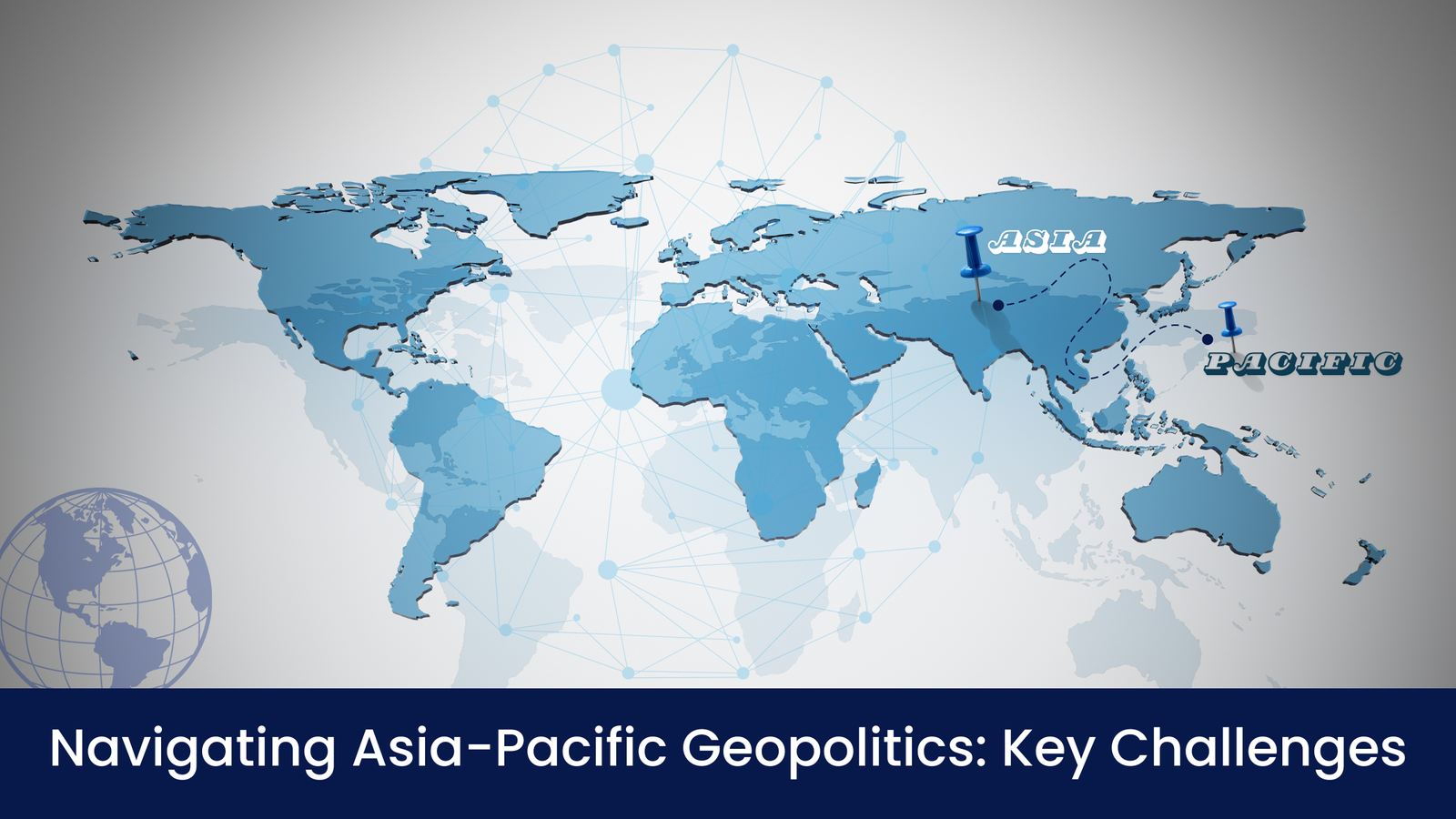
In the Asia Pacific geopolitics fault lines continue to shape the landscape, with rising tensions between China and neighbouring countries, concerns over North Korea’s nuclear ambitions, and concerted efforts to safeguard regional security. As global powers vie for influence, the Asia Pacific remains a pivotal arena for diplomatic maneuvering and strategic partnerships. This article delves into the intricate dynamics of Asia Pacific geopolitics, exploring the critical issues that define the region’s present and future.
Definition and Scope
Asia Pacific geopolitics encompasses the strategic interactions and power dynamics among countries in the Asia-Pacific geopolitics region, a vast area stretching from the eastern coasts of Asia to the western shores of the Americas. This region includes major powers such as China, Japan, and the United States, as well as emerging economies and smaller nations with strategic significance.
Historical Context
The Asia Pacific geopolitics has long been a theatre of geopolitical maneuvering, with its history marked by colonialism, wars, and the rise and fall of empires. In the post-World War II era, the Cold War further polarized the region, leading to the establishment of alliances and rivalries that continue to influence contemporary geopolitics.
China’s Rising Influence
Economic Power
China’s economic rise has been a defining feature of the 21st century. With its Belt and Road Initiative, China aims to expand its influence through infrastructure investments across Asia, Africa, and Europe. The country’s economic policies and trade practices significantly impact global markets and regional economies.
Military Expansion
China has rapidly modernized its military, expanding its capabilities in areas such as naval power, missile technology, and cyber warfare. The establishment of military bases in the South China Sea and increased military exercises in the region reflect China’s growing assertiveness.
Soft Power
China employs soft power strategies, including cultural diplomacy and economic incentives, to bolster its influence. Confucius Institutes, foreign aid, and international media presence are part of China’s efforts to shape global perceptions and advance its strategic interests.
US-China Relations
Trade Wars
The economic rivalry between the US and China has led to trade wars, with both countries imposing tariffs and trade restrictions on each other. These conflicts have disrupted global supply chains and raised concerns about the stability of international trade.
Diplomatic Tensions
Diplomatic relations between the US and China are fraught with tensions over issues such as Taiwan, human rights, and cyber security. The strategic competition extends to technological dominance and influence in international organizations.
Future Outlook
The future of US-China relations remains uncertain, with potential scenarios ranging from increased cooperation to heightened rivalry. Both countries’ policies will significantly impact regional and global geopolitics.
South China Sea Disputes
Territorial Claims
The South China Sea is a hotbed of territorial disputes involving China, Vietnam, the Philippines, Malaysia, Brunei, and Taiwan. China claims almost the entire sea, leading to conflicts with other nations that assert their own territorial rights.
Strategic Importance
The South China Sea is a critical maritime route, with significant economic and strategic importance. Control over this region affects trade, military strategy, and access to natural resources such as oil and gas.
China-India Border Tensions
Historical Disputes
China and India share a long, disputed border that has been a source of conflict since the 1962 Sino-Indian War. Despite numerous negotiations, the border remains contentious, with both countries asserting sovereignty over disputed areas.
Recent Clashes
Recent years have seen heightened tensions and skirmishes along the border, particularly in the Galwan Valley. These clashes have prompted both countries to increase military deployments and fortify their positions.
Asia Pacific Geopolitics Navigating : Key Challenges
North Korea’s Nuclear Program
Development
North Korea’s pursuit of nuclear weapons has been a significant security concern for the region and the world. Despite international sanctions and diplomatic efforts, North Korea has continued to develop its nuclear and missile capabilities.
Global Reactions
Global reactions to North Korea’s nuclear program vary, with some countries advocating for diplomatic solutions and others pushing for stricter sanctions. The US, South Korea, and Japan play key roles in addressing this issue through alliances and strategic policies.
South Korea’s Role
Diplomatic Efforts
South Korea has been actively involved in diplomatic efforts to engage North Korea and promote regional stability. Initiatives such as the Inter-Korean Summits have aimed to ease tensions and foster dialogue between the two Koreas.
Military Preparedness
Despite diplomatic efforts, South Korea remains vigilant and prepared for potential military conflicts. The country’s alliance with the US ensures a robust defines posture, including joint military exercises and strategic deployments.
Japan’s Security Policies
Military Reforms
Japan has undertaken significant military reforms, expanding its Self-Defense Forces’ capabilities and increasing defines spending. These changes reflect Japan’s response to regional security threats and its commitment to maintaining peace and stability.
Alliance with the US
Japan’s security strategy is heavily reliant on its alliance with the US. This partnership involves joint military exercises, shared intelligence, and coordinated responses to regional threats, reinforcing Japan’s defines posture.
ASEAN’s Geopolitical Role
Regional Stability
The Association of Southeast Asian Nations (ASEAN) plays a crucial role in maintaining regional stability through diplomatic engagement and conflict resolution. ASEAN’s initiatives promote cooperation and dialogue among member states and external partners.
Economic Integration
ASEAN’s economic integration efforts, such as the ASEAN Economic Community, aim to enhance regional trade, investment, and economic growth. These initiatives foster economic interdependence and collective prosperity.
Taiwan-China Relations
Historical Context
Taiwan-China relations are rooted in the Chinese Civil War, which led to the establishment of the Republic of China on Taiwan. China considers Taiwan a breakaway province, while Taiwan maintains its own government and democratic institutions.
Current Issues
The Taiwan Strait remains a flashpoint, with China increasing military pressure and diplomatic isolation efforts against Taiwan. The US’s support for Taiwan adds complexity to the geopolitical landscape, with potential implications for regional security.
Australia’s Strategic Position
Defence Policies
Australia’s defines policies focus on enhancing its military capabilities and strategic partnerships. The country has increased defines spending and engaged in joint military exercises with allies to ensure regional security.
Regional Alliances
Australia’s alliances, particularly with the US and ASEAN, play a critical role in its strategic positioning. These partnerships facilitate cooperation on security issues and enhance Australia’s influence in the Asia Pacific geopolitics region.
New Zealand’s Foreign Policy
Peacekeeping
New Zealand is known for its commitment to peacekeeping and conflict resolution. The country participates in international peacekeeping missions and promotes diplomatic solutions to regional conflicts.
Diplomatic Strategies
New Zealand’s foreign policy emphasizes multilateralism and cooperation. The country engages in diplomatic efforts to address global challenges, including climate change, human rights, and regional security.
Russia’s Influence in the Region
Historical Ties
Russia has historical ties with several Asia Pacific countries, particularly through its role in the Soviet era. These relationships continue to influence Russia’s geopolitical strategies and regional interactions.
Current Involvement
Russia’s involvement in the Asia Pacific geopolitics includes military cooperation, economic partnerships, and diplomatic engagement. The country seeks to balance its interests with those of other major powers in the region.
India’s Strategic Interests
Regional Leadership
India aims to assert its regional leadership through economic initiatives, diplomatic engagement, and military modernization. The country’s strategic interests include countering China’s influence and enhancing regional stability.
Economic Initiatives
India’s economic initiatives, such as the Act East Policy, focus on strengthening trade and investment ties with Southeast Asian countries. These efforts aim to boost economic growth and regional integration.
Vietnam’s Position on China
Historical Conflicts
Vietnam has a long history of conflict with China, including territorial disputes and wars. These historical tensions influence Vietnam’s contemporary stance on China and its strategic policies.
Current Stance
Vietnam’s current stance on China is characterized by cautious engagement and strategic balancing. The country seeks to protect its territorial sovereignty while maintaining economic cooperation with China.
Philippines-China Relations
Maritime Disputes
The Philippines and China have ongoing maritime disputes in the South China Sea, with conflicting territorial claims. These disputes have led to diplomatic tensions and international arbitration efforts.
Economic Cooperation
Despite territorial conflicts, the Philippines and China engage in economic cooperation, including trade and investment. Balancing these economic interests with security concerns is a key aspect of their relationship.
The Role of the United Nations
Peacekeeping
The United Nations plays a significant role in peacekeeping and conflict resolution in the Asia Pacific geopolitics. UN missions and resolutions aim to address regional security challenges and promote stability.
Resolutions
UN resolutions on issues such as North Korea’s nuclear program and territorial disputes reflect the international community’s efforts to manage regional conflicts and ensure compliance with international law.
Economic Interdependence
Trade Networks
The Asia Pacific geopolitics is characterized by extensive trade networks, with countries heavily reliant on each other for goods, services, and investment. Economic interdependence fosters cooperation but also creates vulnerabilities.
Investment Flows
Investment flows in the region are driven by economic opportunities and strategic interests. Countries invest in infrastructure, technology, and other sectors to enhance their economic and geopolitical influence.
Environmental Challenges
Climate Change
The Asia Pacific geopolitics faces significant environmental challenges, including climate change, natural disasters, and resource depletion. Addressing these issues requires regional cooperation and sustainable development initiatives.
Resource Management
Effective resource management is critical for regional stability and economic growth. Countries in the Asia Pacific geopolitics are working on strategies to manage resources such as water, energy, and biodiversity sustainably.
Cyber security Concerns
Regional Threats
Cyber security is a growing concern in the Asia Pacific geopolitics, with countries facing threats from cyber espionage, hacking, and digital warfare. These threats have significant implications for national security and economic stability.
Collaborative Efforts
Regional collaborative efforts, including information sharing and joint cyber security initiatives, are essential to countering cyber threats. Countries are increasingly working together to enhance their cyber security resilience.
Human Rights Issues
Violations
Human rights violations in the Asia Pacific geopolitics, including political repression, censorship, and ethnic conflicts, are critical concerns. International organizations and advocacy groups are actively working to address these issues.
International Responses
International responses to human rights issues include diplomatic pressure, sanctions, and humanitarian aid. These efforts aim to promote human rights and hold violators accountable.
Future Scenarios
Potential Conflicts
Potential conflicts in the Asia Pacific region include territorial disputes, resource competition, and power struggles between major countries. These scenarios require careful management to prevent escalation.
Cooperation Opportunities
Despite potential conflicts, there are opportunities for cooperation on issues such as trade, environmental sustainability, and regional security. Collaborative efforts can foster stability and prosperity in the region.
Policy Recommendations
Diplomatic Strategies
Effective diplomatic strategies are essential for managing Asia Pacific geopolitics. Countries should engage in dialogue, build alliances, and pursue conflict resolution mechanisms to address regional challenges.
Defense Initiatives
Defense initiatives, including military modernization and strategic partnerships, are critical for ensuring regional security. Countries should enhance their defines capabilities while promoting peace and stability.
Case Studies
Historical Precedents
Historical precedents provide valuable lessons for contemporary geopolitics. Case studies of past conflicts and resolutions can inform current strategies and policies.
Contemporary Examples
Contemporary examples of geopolitical dynamics in the Asia-Pacific geopolitics highlight the complexities and challenges of managing regional affairs. These examples illustrate the importance of strategic thinking and international cooperation.
Comparative Analysis
Asia-Pacific vs. Other Regions
Comparative analysis of Asia Pacific geopolitics with other regions reveals unique characteristics and common challenges. Understanding these differences and similarities can enhance global strategies and policies.
Regional Organizations
Roles
Regional organizations such as ASEAN, APEC, and the SCO play crucial roles in fostering cooperation and addressing regional issues. Their effectiveness depends on member states’ commitment and collaboration.
Effectiveness
The effectiveness of regional organizations varies, with some achieving significant progress while others face challenges. Assessing their impact is essential for improving regional governance and cooperation.
Energy Security
Resource Dependency
Energy security is a critical concern for Asia Pacific countries, many of which are heavily dependent on energy imports. Ensuring stable and affordable energy supplies is vital for economic growth and national security.
Strategic Reserves
Strategic reserves and diversification of energy sources are essential for enhancing energy security. Countries in the region are investing in renewable energy and alternative sources to reduce dependency on imports.
Cultural Diplomacy
Soft Power
Cultural diplomacy, including exchange programs, cultural events, and international cooperation, enhances soft power and fosters mutual understanding. These initiatives promote positive relations and regional stability.
Cultural Exchange Programs
Cultural exchange programs facilitate people-to-people connections and enhance diplomatic relations. They provide opportunities for cultural learning and collaboration on shared challenges.
Educational Exchanges
Student Mobility
Educational exchanges and student mobility programs promote cross-cultural understanding and academic collaboration. These initiatives contribute to regional integration and innovation.
Research Collaboration
Research collaboration among Asia Pacific countries fosters scientific advancements and addresses regional challenges. Joint research initiatives enhance knowledge sharing and innovation.
Media Influence
Propaganda
Media influence in the Asia-Pacific geopolitics includes propaganda efforts by states to shape public opinion and advance strategic interests. Understanding these dynamics is essential for countering misinformation and promoting transparency.
Information Warfare
Information warfare, including cyber operations and strategic communications, is a growing concern. Countries must develop strategies to protect their information space and counter hostile actions.
Conclusion
The complexities of Asia Pacific geopolitics require nuanced understanding and strategic management. Tensions with China, North Korea’s nuclear ambitions, and efforts to maintain regional security are central to the region’s stability. As global powers vie for influence, the Asia Pacific geopolitics remains a pivotal arena for diplomatic maneuvering and strategic partnerships. By addressing these challenges through cooperation and effective policies, the region can achieve sustained peace and prosperity.
What are the main issues in Asia Pacific geopolitics?
Main issues include China’s rising influence, North Korea’s nuclear program, territorial disputes in the South China Sea, and regional security challenges.
How does China’s military expansion impact the region?
China’s military expansion increases tensions and prompts neighboring countries to enhance their own defines capabilities, potentially leading to an arms race.
What role does the US play in Asia Pacific geopolitics?
The US plays a significant role through its alliances, military presence, and diplomatic efforts to counter China’s influence and ensure regional stability.
How do territorial disputes affect Asia Pacific geopolitics?
Territorial disputes create tensions, disrupt regional stability, and require careful management to prevent conflicts and promote cooperation.
What are ASEAN’s contributions to regional stability?
ASEAN promotes regional stability through diplomatic engagement, economic integration, and conflict resolution initiatives, fostering cooperation among member states.
How can countries address cyber security threats in the Asia-Pacific?
Countries can address cyber security threats through collaborative efforts, information sharing, and joint initiatives to enhance their cyber security resilience.
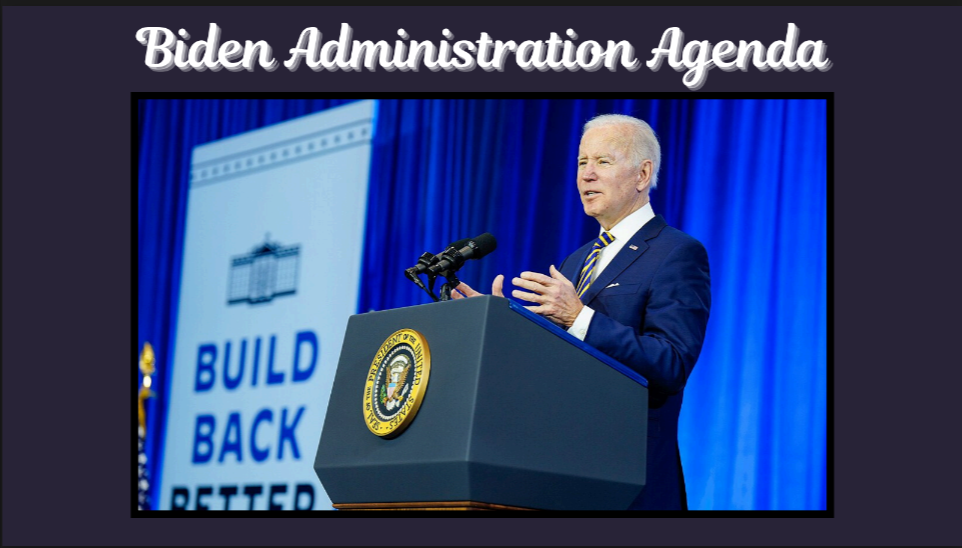
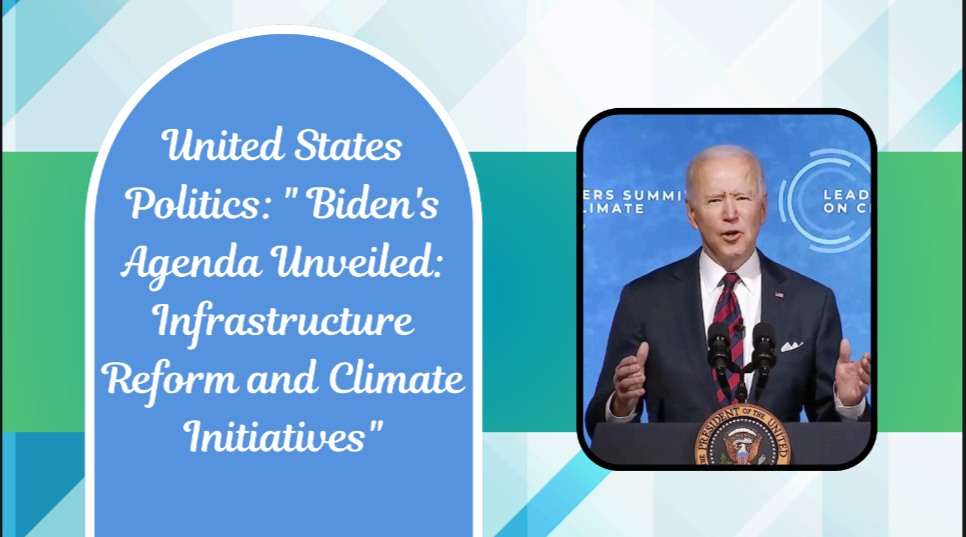
Examine the top goals of the Biden administration, such as efforts to combat climate change and improve infrastructure, and how they will affect the country’s reputation both at home and abroad.
Excerpt
“The ambitious agenda of the Biden administration aims to address the pressing need for climate action while simultaneously transforming the infrastructure landscape in the United States.” President Biden’s plans, which range from investing in renewable energy to reviving aged infrastructure, are intended to both battle climate change globally and promote economic prosperity.”
Overview
President Joe Biden has made great progress since taking office in laying out an ambitious plan centered on modernizing American infrastructure and tackling the
urgent problem of climate change. The Biden administration’s program is well- positioned to both upgrade the country’s infrastructure and establish American
leadership in international climate initiatives. This all-inclusive strategy includes a wide range of investments and policies meant to boost the economy, provide employment, and guarantee a sustainable future.
Biden Administration: Agenda Unveiled: Infrastructure Reform and Climate Initiatives
Agenda of the Biden Administration: Top Priorities
(1) Reform of Infrastructure
The infrastructure of the United States has long required significant funding and improvement. With significant federal financing and assistance, the Biden administration’s infrastructure plan—often referred to as the American Jobs Plan— aims to overcome these shortcomings. Important elements of this infrastructure reform consist of:
A) Transportation:
The plan places a high priority on maintaining and modernizing public transportation networks, highways, and bridges. It involves investments in electric cars (EVs) and the nationwide expansion of EV charging networks, with an emphasis on efficiency and sustainability. This attempts to build a more robust and effective transportation infrastructure in addition to lowering carbon emissions.
B) High-speed Internet
Given the significance of connectivity in today’s economy, the Biden administration has allocated a large portion of its budget for broadband internet access. By guaranteeing that all Americans, especially those living in rural and underprivileged areas, have access to high-speed internet, this effort aims to close the digital divide. Improved connectivity is essential for economic, medical, and educational benefits.
C) Systems for Water
Significant health concerns and inefficiency are associated with aging water systems. Funding is allocated in the plan to upgrade water infrastructure and replace lead pipes, ensuring that every community has dependable and secure access to clean water.
D) Infrastructure for Energy
The Biden administration suggests expanding renewable energy sources including solar and wind power as well as making improvements to the electrical system to aid in the shift to renewable energy. Reducing dependency on fossil fuels and accomplishing climate targets require modernizing the energy infrastructure.
Biden Administration: Agenda Unveiled: Infrastructure Reform and Climate Initiatives
(2) Climate Change Programs
One of the main priorities of the Biden administration’s agenda is climate change. The administration has put out a number of efforts to promote sustainable practices and reduce greenhouse gas emissions in response to the pressing climate problem.
A) Taking Up the Paris Agreement Again
Re-entering the Paris Agreement was one of President Biden’s first acts as president, demonstrating the country’s renewed commitment to international climate initiatives. With this action, the country hopes to regain its position as a leader in global climate diplomacy and inspire other nations to raise their own aspirations in this area.
B) Investments in Clean Energy
The administration intends to make significant investments in clean energy companies and technologies. This covers financing for R&D, grants for renewable energy initiatives, and assistance with the production of parts for clean energy systems. Reducing emissions and generating green jobs are the objectives of shifting the US economy to one centered mostly on clean energy.
C) Objectives for Reducing Emissions
The Biden administration has established aggressive emission reduction targets in order to guarantee accountability and progress. By 2030, greenhouse gas emissions are to be lowered by 50–52% from 2005 levels. This goal is consistent with the overarching objective of attaining net-zero emissions by 2050.
D) Resilience to Climate Change
Being ready for the effects of climate change is another aspect of addressing it. The administration’s strategy includes investments in climate resilience, including projects to protect communities at risk from climate change, infrastructure upgrades to resist extreme weather, and sustainable land use and agribusiness efforts.
The Biden Administration Agenda’s Economic Impact
A) Growth in the Economy and Employment
The goal of the Biden administration’s program is to boost employment and the economy. It is anticipated that investments in clean energy and infrastructure will create jobs in a variety of industries, including manufacturing, technology, and research, as well as building and manufacturing. Through emphasizing well-paying jobs with equitable benefits, the administration hopes to promote a more diverse and healthy economy.
B) Increasing Market Share
Improving the infrastructure and moving toward a clean energy economy will make the US more competitive internationally. Businesses need better transit systems, dependable internet connection, and sustainable energy sources to succeed in the twenty-first century. Furthermore, the United States’ leadership in clean energy technologies establishes it as a major player in the expanding worldwide market for sustainable solutions.
C) Dealing with Inequality
The Biden administration’s plan places a strong emphasis on tackling racial and economic inequalities. The administration wants to make sure that the advantages of investments in clean energy and improved infrastructure are distributed fairly, thus it is giving priority to underprivileged neighborhoods. This entails allocating funds to regions that are disproportionately impacted by pollution and climate change, as well as making sure that chances for education and employment training are available.
Global Repercussions
A) Regaining International Leadership
The climate measures of the Biden administration demonstrate a strong commitment to regaining U.S. leadership in international affairs. A readiness to work with other countries to address the climate catastrophe is demonstrated by joining the Paris Agreement and establishing aggressive emission reduction objectives. This newfound leadership has the potential to strengthen ties and promote international collaboration on environmental and climate-related challenges.
B) Encouragement of Green Diplomacy
The Biden administration is advancing green diplomacy through a variety of foreign activities in addition to domestic initiatives. This entails promoting more robust climate pledges from other nations, endorsing international renewable energy programs, and taking part in international forums centered around sustainable development. The administration hopes to form an international alliance to successfully combat climate change by utilizing diplomatic initiatives.
Biden Administration: Agenda Unveiled: Infrastructure Reform and Climate Initiatives
Obstacles and Remarks
A) Opposition in Politics
There is strong political opposition to the Biden administration’s program, especially from Republican lawmakers and those involved in the fossil fuel companies. Among the main points of contention are worries about the cost of the projected investments, possible layoffs in the traditional energy sectors, and the effects of regulations on enterprises. Building coalitions and engaging in strategic negotiation are necessary to navigate this opposition.
B) Finance and Execution
One of the biggest challenges is getting the money needed for the ambitious objectives related to climate change and infrastructure. The administration needs to strike a balance between the need for significant investments and budgetary restrictions. Furthermore, for these programs to be implemented effectively, cooperation with the corporate sector and community organizations is necessary, as is coordination between the federal, state, and municipal governments.
C) Goals for the Environment and Economy in Balance
It can be difficult to strike a balance between the administration’s agenda items of economic growth and environmental sustainability. Careful planning and monitoring are necessary to guarantee that energy investments and infrastructure developments produce both economic advantages and climate resilience. It is imperative to consider the possible trade-offs and unforeseen outcomes of specific policies.
In summary
The Biden administration‘s program embodies a revolutionary strategy for tackling the infrastructure and climate change issues facing the US. The administration wants to make significant expenditures in clean energy, telecommunications, water
systems, and transportation in order to improve the country’s infrastructure and stimulate economic growth. Ambitious climate measures simultaneously seek to lower emissions, improve resilience, and reestablish American leadership in international climate efforts.
The agenda has broad potential benefits even though it has financial, political, and practical hurdles. The Biden administration’s initiatives have the potential to establish a more sustainable and prosperous future by fostering equity, improving competitiveness, and generating jobs. The accomplishment of this agenda will rely on smart preparation, efficient teamwork, and the capacity to negotiate challenging political environments.
The ambitious plan for climate action and infrastructure transformation put forth by the Biden administration emphasizes how urgently and forcefully action must be taken to create a resilient and sustainable America. The results of this revolutionary trip the country is taking will not only reshape the home environment but will also have an impact on how the world responds to the most important issues of our day.
For More Information About Another topic and Updated News Go to OurHome Page.